
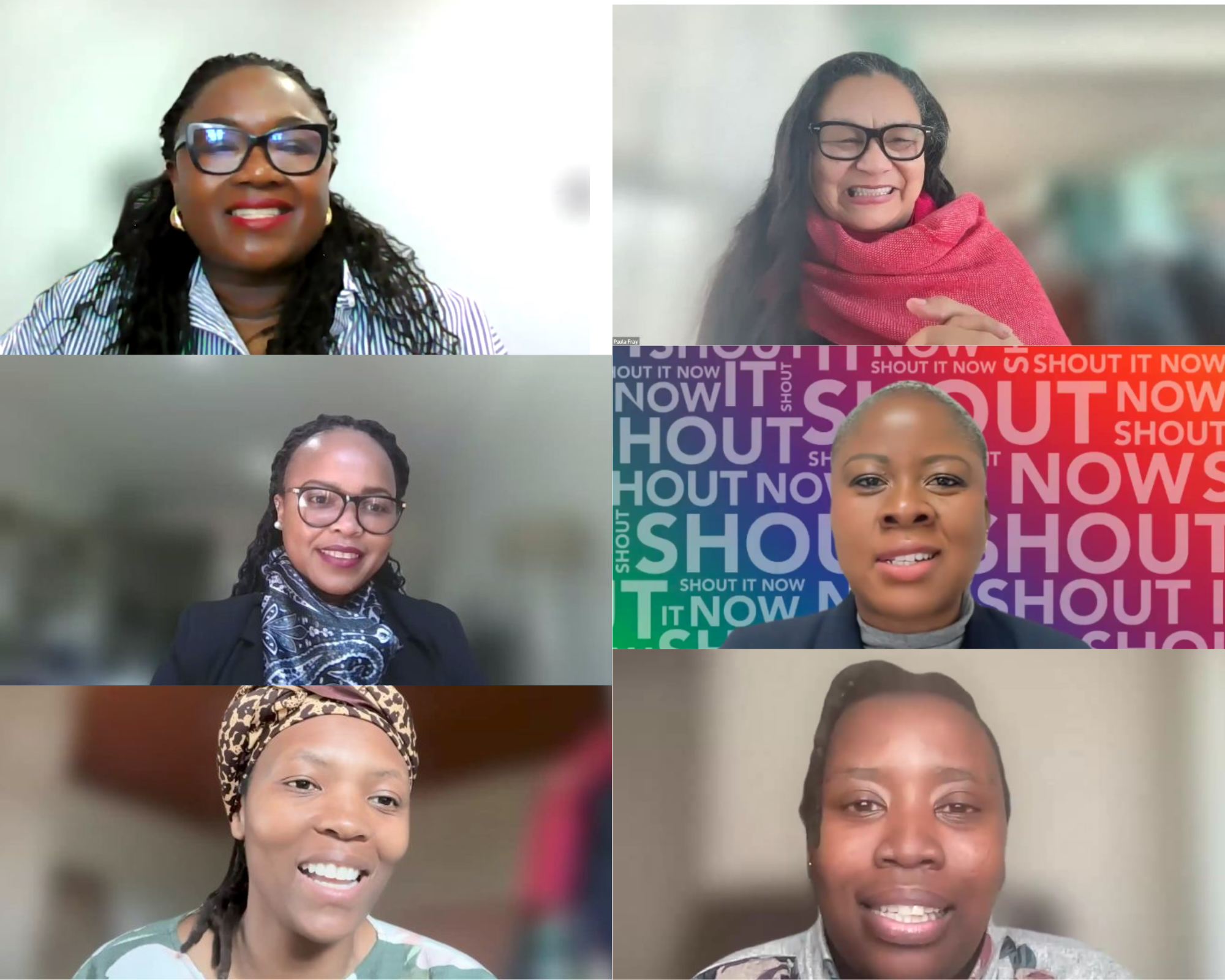
Speakers at a Fraymedia Foundation examine what it takes to turn health information into meaningful action, while honouring the legacy of Phangisile Mtshali.
By Lerato Pooe
Health communication is no longer just about sharing information. As people increasingly turn to social media and artificial intelligence for health advice, how that information is communicated shapes what they understand, trust and act on –especially as misinformation becomes equally accessible.
This was a key theme at the launch of Fraymedia Foundation’s 2026 call for applications for the Phangisile Mtshali Grant Award on Tuesday, 18 August 2026, during a discussion on Why Health Communication Matters More Than Ever.
The discussion, moderated by The Aurum Institute Director of Group Communications Kanya Ndaki, celebrated the legacy of the late Phangisile Mtshali whose work as a journalist and health communicator demonstrated the role storytelling can play in making science and health information accessible to people who need it.
“It begins with what that person knows, what they’ve heard, what they believe.”
Dr Ntombifikile Mtshali
In her keynote remarks, Dr Ntombifikile Mtshali, a Chief Executive Officer of Shout-It-Now and a leader of innovative community-based health services, said health communication is an intrinsic part of intervention and cannot be treated as an add-on to public health.
She noted that when most people think about health and healthcare, they envisaged things that were physically visible, such as clinics, medicines, nurses, doctors, diagnostic tools and new prevention and technologies.
But, she argued, healthcare was much more: “It begins with what that person knows, what they’ve heard, what they believe.” she said. Some factors that health communication depended on included whether the language being used made sense to people, whether they believed the service being offered was actually intended for somebody like them, and whether seeking that service might expose them to judgment, stigma, or harm.
Dr Ntombifikile Mtshali said having the best HIV prevention and treatments did not necessarily mean success had been achieved if a young woman did not know they existed. She argued that availability was not success when misinformation, mistrust of healthcare professionals and fear of judgement created barriers.
Hearing and Sharing
Lilita Gcwabe, the first recipient of the Phangisile Mtshali Grant Award for Transformational PR, is a firm believer in the use of entertainment as a tool to communicate to the public about health. She gave an example of The Polygamist, a South African Netflix series which started streaming in June 2026, as a way of discussion sexual reproductive health. Gcwabe pointed out how audiences engaged with one of the main characters, Jonasi, and his cultural beliefs, traditions and the way he interacted with his health status. “We saw how much that resonated with the audience that watched,” she said, adding that it showed the power entertainment has in opening up health conversations.
Phangisile Mtshali was described by her niece and research associate at the Africa Health Research Institute, Dr Lerato Mtshali, as someone who understood the importance of a story and hearing and sharing ideas from people who would otherwise not have a platform. She carried the essence of her journalism even after moving to public relations and health communications:“She spent more than 30 years of her life making sure that science reached the people who needed it the most.”
Paula Fray, Fraymedia Foundation CEO reflected on Mtshali’s career and the personal impact she had on those who surrounded her, describing a career that brought together journalism, strategic communication, health advocacy and programme leadership.
She said Phangisile “loved life, and she lived life,” while combining “professional excellence with deep humanity”.
The webinar concluded with the launch of the 2026 Phangisile Mtshali Grant Award for Transformational PR.
Bongiwe Tutu, COO of Fraymedia Foundation, announced that the award is a R50,000 grant to support the successful applicant in establishing her PR business.
The grant can potentially be used marketing and branding campaigns, business registration compliance fees, any other tech requirements for the business, as well as office software or website development and other startup materials.Tutu encouraged applicants not to be discouraged if they are still at the idea stage. “With an idea, you can still submit an application,” she said, provided applicants can clearly outline their vision, strategy for sustainability and growth, and the impact they hope to make through their work. Click here for more information.


