
In South Africa, live streaming and live broadcasting have become powerful tools in the fight for social justice. They allow people to share events as they unfold, raise public awareness in real time, and place immediate pressure on leaders and institutions to respond. In a digital age where information travels instantly, one question becomes increasingly important: how quickly can a single message now reach thousands, even millions, of people?
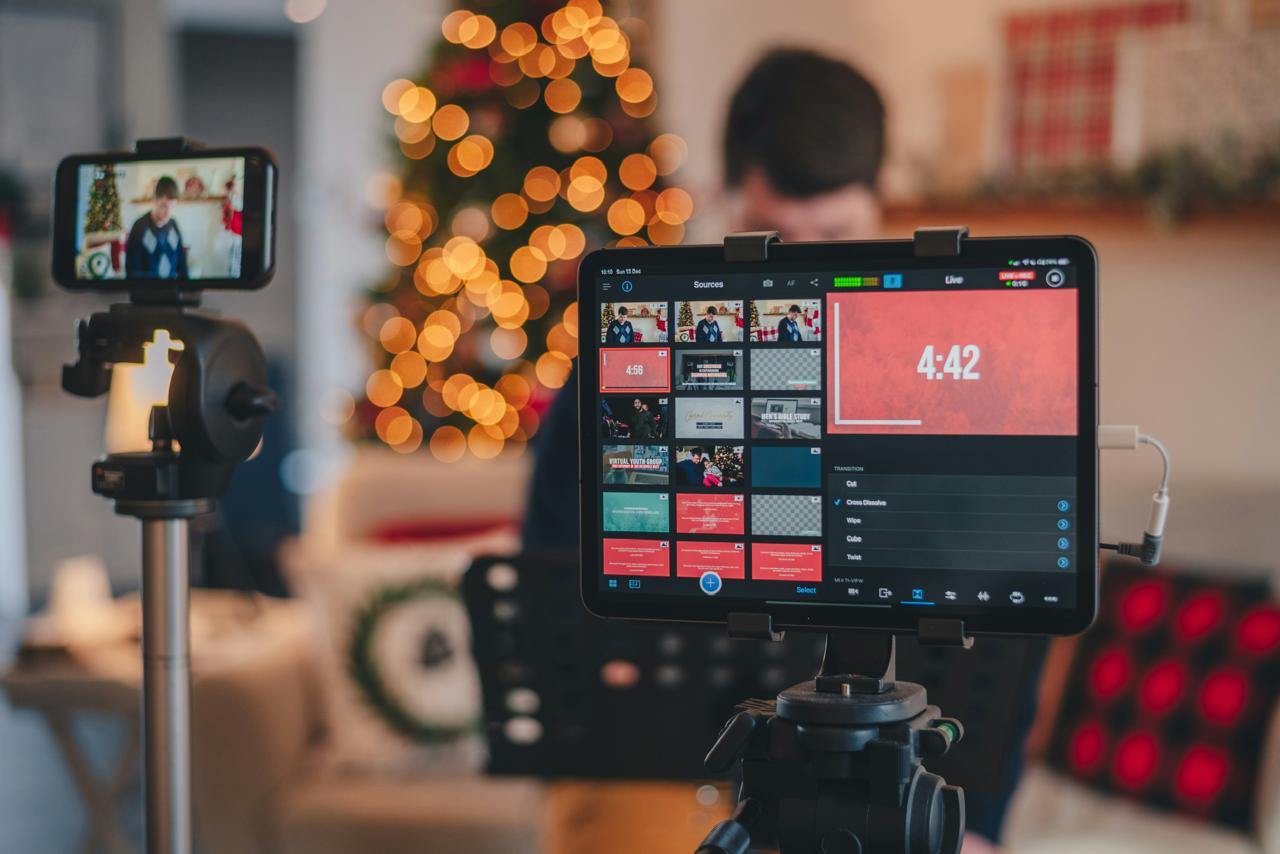
Live streaming has changed the nature of public engagement. A single live video can connect audiences across cities, countries, and social backgrounds within seconds. When people collectively witness the same event at the same time, awareness grows rapidly, conversations are sparked instantly, and demands for accountability intensify. This immediacy is what makes live broadcasting such a powerful force in modern social justice movements; it creates visibility, urgency, and shared responsibility.
A key example of this impact is the #FeesMustFall movement of 2015–2016. This student-led protest against rising university fees gained momentum not only through physical demonstrations but also through digital platforms. Students used Facebook Live, Twitter videos, and other livestreaming tools to broadcast protests, campus shutdowns, and police responses in real time. These live visuals helped the movement move beyond university campuses, capturing national attention and reaching international audiences. The immediacy of live coverage played a crucial role in amplifying student voices and sustaining public pressure.
Live broadcasting has also been used to strengthen transparency and public engagement in leadership communication. For example, General Mkhwenasi utilised live broadcasts during a period of heightened public concern around the disbanding of the KwaZulu-Natal provincial task team investigating political killings in the province. Through real-time updates and explanations, he provided clarity and addressed grievances.
More recently, live streaming has played a significant role in gender-based violence (GBV) activism in South Africa. During the Women For Change G20 shutdown protests in 2025, live videos and real-time social media updates helped spread awareness across major cities, including Johannesburg, Cape Town, and Durban. The visibility generated through these platforms elevated the movement to national prominence and contributed to increased public pressure on government institutions. This momentum was part of the broader push that led to gender-based violence being formally recognised as a national disaster.
Ultimately, live streaming and live broadcasting have reshaped how social justice is pursued in South Africa.
“Social media has become a critical tool for exposing injustice and mobilising people around the world.” — Malala Yousafzai
They have made it possible for ordinary citizens to document injustice, amplify their voices, and mobilise collective action instantly. In a society where visibility often drives accountability, these digital tools have become more than just communication platforms—they are instruments of change.


