Social media has become a second battleground during the 2026 FIFA World Cup, where millions of fans celebrate victories, debate controversial decisions, and share their opinions in real time. Platforms such as X (formerly Twitter), TikTok, Instagram, YouTube, and Facebook have transformed the tournament into a global digital conversation. Fans no longer simply watch matches; they actively participate by posting reactions, creating memes, sharing highlights, and discussing every major moment as it happens. This has made social media an essential part of the modern World Cup experience.
One of the biggest drivers of online engagement has been controversial refereeing decisions and the use of VAR (Video Assistant Referee). Every penalty decision, offside call, and red card has sparked intense discussions online, with supporters often disagreeing about whether officials made the correct decisions. Hashtags related to controversial moments frequently trend worldwide within minutes of incidents occurring, demonstrating the power of social media to shape public opinion during major sporting events.
Ghana survived VAR: https://x.com/ssfootball/status/2071004240231715316?s=46
Colombia’s goal: https://x.com/alex_g_aga/status/2071044464307499518?s=46
Social media has also amplified the rivalry between supporters of different nations. Fans use online platforms to celebrate victories, defend their teams, and challenge opposing supporters. Viral content, including memes, reaction videos, and fan commentary, spreads rapidly across platforms, often reaching millions of viewers within hours. For example, unexpected results and dramatic matches during the tournament have generated significant online engagement, with supporters sharing emotional reactions and creating content that extends the conversation far beyond the stadium.
Brazil vs Japan meme: https://x.com/memechaotic/status/2071267379510759689?s=46
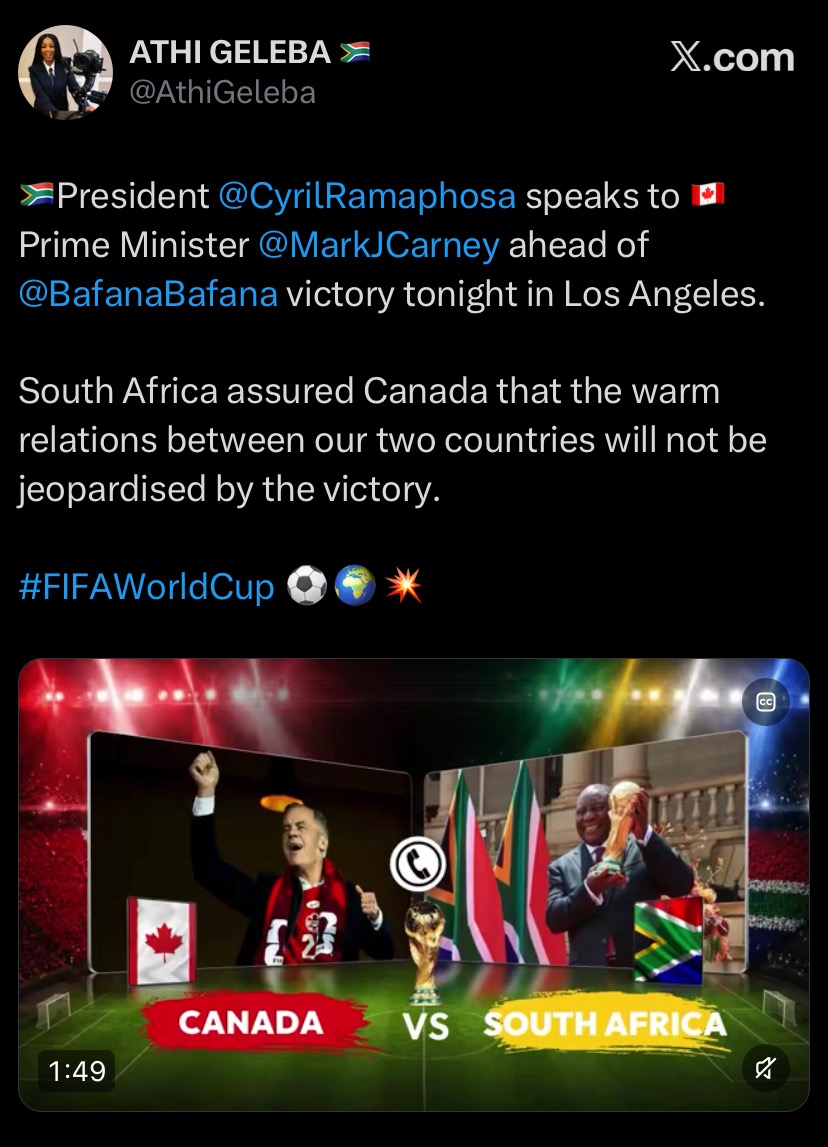
In addition to fan engagement, players, coaches, journalists, influencers, and celebrities have become active participants in online discussions. Football stars regularly post behind-the-scenes content, celebrations, and personal reflections, allowing supporters to feel more connected to the tournament. Sports analysts and content creators also contribute to debates by sharing tactical analysis, match predictions, and commentary, further increasing public engagement with the competition.
The 2026 FIFA World Cup has demonstrated that football is no longer experienced only through television broadcasts or live attendance. Social media platforms have created a parallel competition where narratives are built, opinions are formed, and global conversations unfold continuously. Whether fans support or oppose FIFA’s decisions regarding the expanded tournament format, one fact remains clear: the 2026 FIFA World Cup has become one of the most discussed and digitally connected sporting events in history.


