
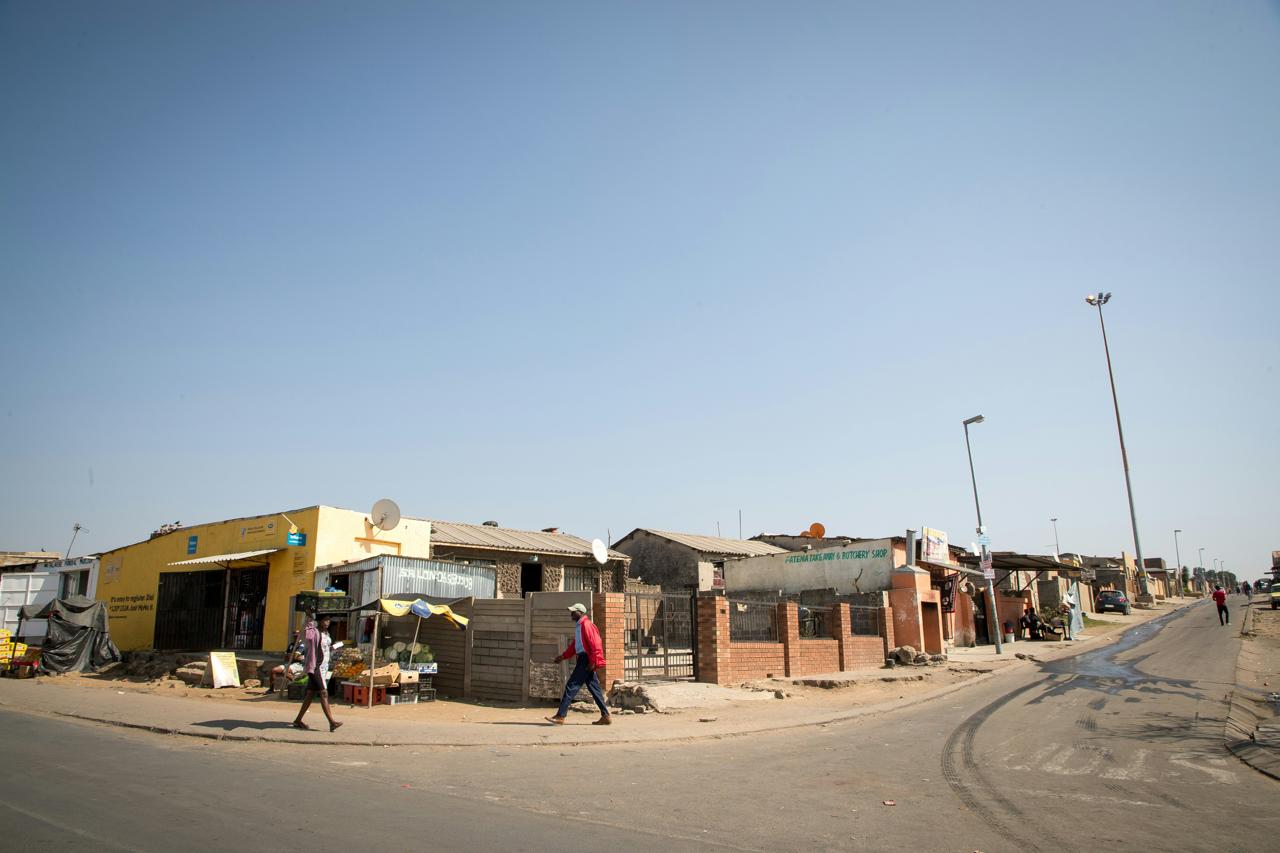
Township marketing has become one of the most important strategies for brands in South Africa today. Townships are not just places where people live; they are spaces where culture is created, shared, and constantly evolving. From music and fashion to language and everyday behaviour, townships influence what becomes popular across the country. Brands that fail to recognise this often struggle to connect with their audience, while those that understand it can build meaningful and lasting relationships.
Coca-Cola offers a strong example through its use of the term “Mashesha.” In township culture, a “Mashesha” represents someone confident, stylish, and socially aware. Rather than simply using the word as a marketing gimmick, Coca-Cola incorporated it into its messaging in a way that felt natural and familiar. This allowed the brand to align itself with a real identity that people recognise and relate to. As a result, Coca-Cola was not just seen as a global brand, but as one that understands local culture and everyday experiences.
This kind of approach works because it is rooted in authenticity. Township audiences are quick to recognise when a brand is trying too hard or misrepresenting their reality. Coca-Cola’s success with “Mashesha” comes from the fact that it reflects how people already speak and express themselves. When brands communicate in a way that feels genuine, they build trust, and that trust often leads to stronger engagement and loyalty.
Other South African brands have also embraced this approach effectively. KFC South Africa, for instance, has built a reputation for campaigns that capture local humour and real-life situations. Their adverts often feel familiar because they mirror everyday experiences in South African households. Chicken Licken has taken this even further by making township culture central to its brand identity. Its storytelling, humour, and use of local language have helped it stand out in a highly competitive market.
In a different space, Vodacom has connected with township audiences by focusing on how people use technology in their daily lives. Its campaigns often highlight real moments of connection, showing how communication plays a role in relationships, hustle, and opportunity. Meanwhile, brands like Bathu have built their success on representing township pride and aspiration. Bathu is more than just a sneaker brand; it reflects a sense of identity and ambition that resonates strongly with young people.
One of the key reasons township marketing is so powerful is because it shifts the focus from simply selling to truly engaging. Instead of treating people as consumers, successful brands treat them as part of a community. This creates emotional connections that go beyond the product itself. When people feel seen and understood, they are more likely to support and promote a brand within their own circles.
It is also important to recognise that many cultural trends in South Africa begin in townships. Whether it is Amapiano music, streetwear, or new slang, these trends often grow organically before spreading to wider audiences. Brands that tap into this space early are able to position themselves at the forefront of culture rather than trying to catch up later.
Township marketing matters because it reflects where real influence lies. It requires brands to listen, understand, and engage in a way that feels respectful and authentic. Coca-Cola’s use of “Mashesha,” along with the strategies of brands like KFC, Chicken Licken, Vodacom, and Bathu, shows that success comes from connection, not just communication. In a fast-changing market, brands that embrace this approach are the ones that will continue to stand out.


