The relaunch of Top Billing has triggered widespread debate online after the popular television programme announced that aspiring presenters would need to audition through social media videos rather than traditional in-person casting sessions. Unlike previous casting processes that took place behind closed doors, this year’s auditions rely heavily on social media participation. Applicants are encouraged to upload short videos presenting themselves online, allowing both producers and the public to view their submissions.
According to IOL the announcement quickly divided opinion across South African social media. While many users praised the process for being modern and accessible, others criticised it and called it a “humiliation ritual” because contestants are required to post videos online where everyone can see and judge them. They feel this exposes people to public criticism before they even get a fair professional evaluation.
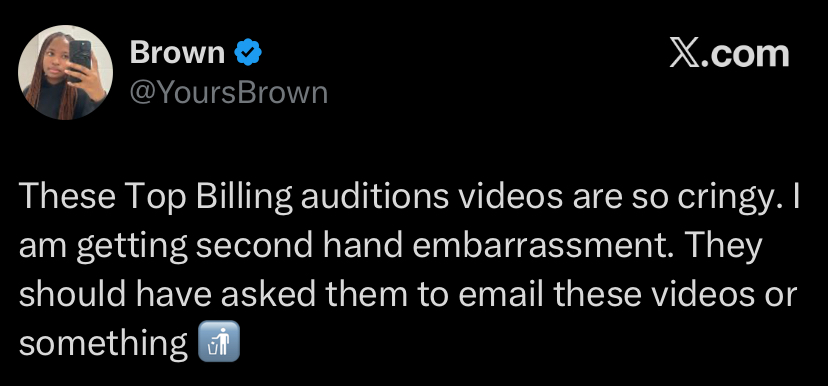
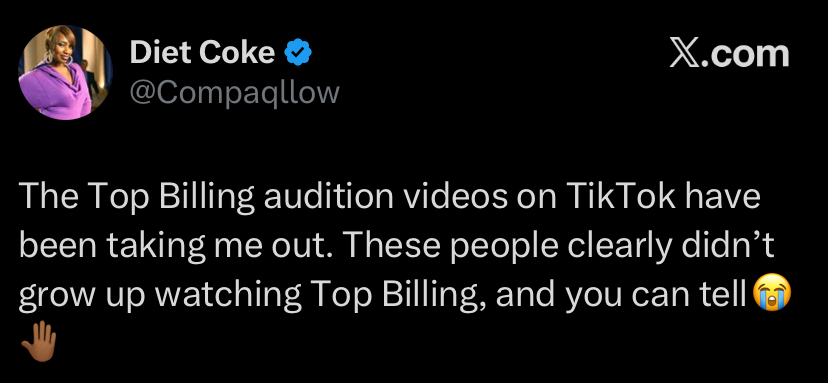
For many South Africans, Top Billing is more than just another television show. Since the 1990s, the programme has become one of the country’s most recognisable lifestyle brands, known for showcasing celebrities, luxury homes, travel destinations and entertainment stories. Because the show has helped launch the careers of several prominent media personalities over the years, the presenter search attracted significant attention almost instantly.
The public nature of the process is exactly what has made the auditions controversial. Some social media users argued that contestants are being turned into entertainment content before they even stand a fair chance of being selected. Several audition clips circulated widely online, with some attracting harsh criticism, jokes and memes from strangers, for example a TikTok audition by @Katekanichauke2.
Others, however, defended the format. Supporters believe digital auditions remove many of the financial and geographical barriers that previously prevented talented individuals from participating in national competitions. Instead of travelling to major cities or paying for professional portfolios, contestants can now audition using only a smartphone and internet access.
The use of online submissions is becoming increasingly common across different industries. Competitions such as Miss South Africa have incorporated digital entry videos to widen participation and make applications more accessible to contestants from across the country. International talent shows including American Idol, Britain’s Got Talent and The Voice have also adopted online audition systems in recent years.
Government departments and organisations have followed similar trends. The Department of Justice and Constitutional Development recently launched a campaign inviting women to submit short online videos as part of a constitutional democracy initiative.
According to the Sowetan, cyberbullying experts have repeatedly warned that online harassment can have severe psychological effects, especially on young people. Public rejection has always existed in entertainment industries, but social media amplifies it dramatically because criticism becomes permanent, searchable and highly visible.Ultimately, the debate surrounding Top Billing’s auditions highlights a much larger conversation about the influence social media now has in shaping opportunity, visibility and public participation. While digital auditions can open doors for people who may previously have been excluded because of distance or financial limitations, they also introduce new challenges around online bullying, public judgement and digital ethics that organisations may need to manage more responsibly.
At the same time, the controversy has unintentionally or perhaps strategically, become a powerful example of viral marketing; whether good or bad.


