Change voices
AI misuse deepens grief after fatal school crash
This week, a heavy cloud fell over South Africa as a normal school day ended in tragedy. Fourteen young lives were lost when a taxi and a truck collided, leaving families and communities shattered. As the nation mourned, grief was deepened by the spread of a fake AI-generated image falsely claiming to show the victims. Instead of bringing comfort, the misuse of technology caused further pain, reminding us that in moments of loss, truth, respect, and compassion must always come before clicks and attention.
16 DAYS OF ACTIVISM AGAINST GENDER-BASED VIOLENCE
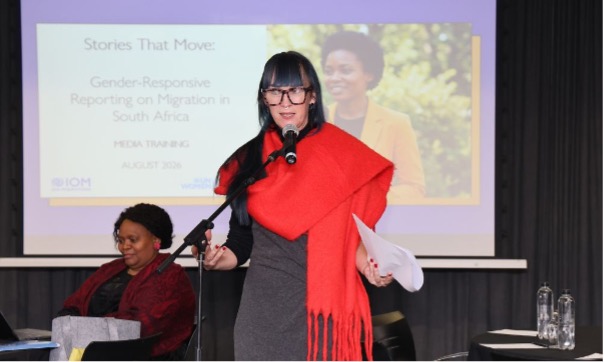
The 16 Days of Activism against Gender-Based Violence highlights the urgent need to address violence and discrimination against women and girls worldwide, calling on journalists to create gender-sensitive newsrooms and report GBV with accuracy, dignity, and context. Despite alarming UN Women statistics,including that one in three women experiences GBV and that most deepfake content targets women, the media often treats cases as isolated incidents, reinforcing harmful stereotypes and ignoring systemic causes. Researchers and experts, including Elsje-Marie Jordaan and Professor Rachel Jewkes, emphasise that ethical reporting can help shift public attitudes, hold perpetrators accountable, and support survivors.
The Purple movement takes over South Africa
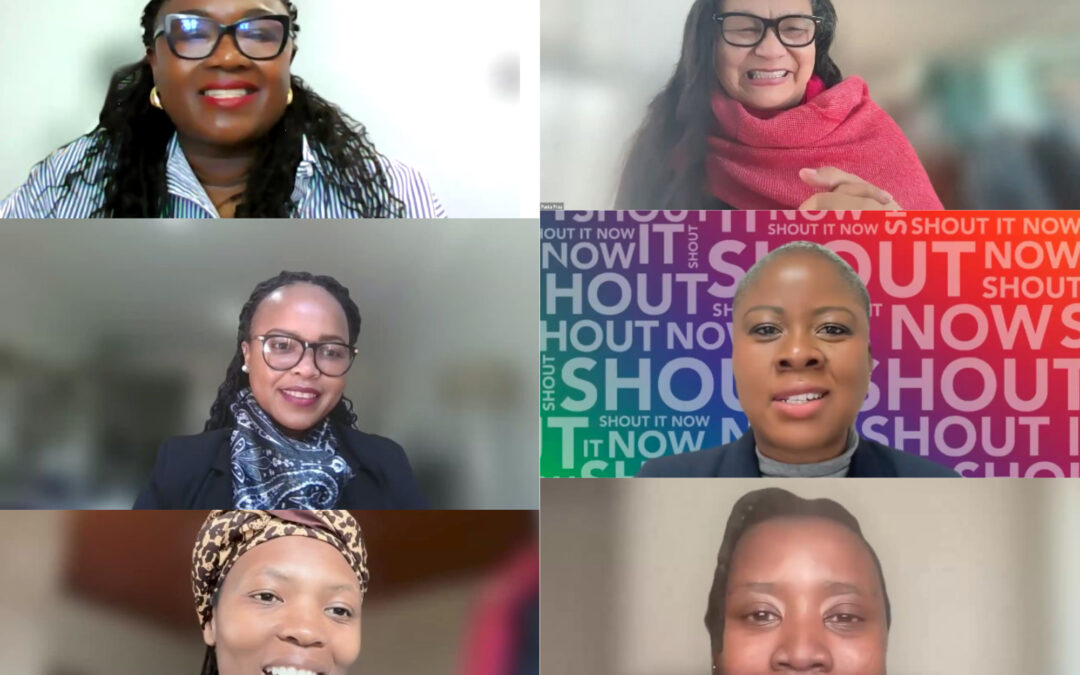
The recent Women For Change campaign is a powerful example of online activism in action. In response to the alarming rise in Gender-Based Violence and Femicide (GBVF) in South Africa, the movement launched a national call for GBVF to be declared a national disaster. Within a week, South Africans turned their social media profiles purple in solidarity, and more than one million people signed the petition urging the government to act. As part of its commitment to this cause, the fray group will provide free training to civil society organisations addressing GBVF and to journalists reporting on the issue, while also sharing advocacy resources to strengthen public engagement.
The hidden pollution of the digital age
In today’s digital world, content creation connects people and shapes ideas across the globe. Yet behind every captivating video and online campaign lies an unseen cost; the environmental toll of digital production. From high-energy data centres and AI systems to the rise of electronic waste, the digital industry contributes to pollution and climate change. As technology grows, the media sector faces a key challenge: creating meaningful stories while protecting the planet. Sustainable practices like local filming, energy-saving methods, and eco-friendly materials can help reduce this impact. When creativity meets environmental responsibility, digital media can become a powerful tool for positive change and a greener future.
From boardrooms to zoom rooms
COVID-19 redefined how people meet, work, and communicate. What began as a global crisis soon became a turning point for connection and collaboration, pushing the world into digital spaces that reshaped everyday life. Virtual meetings and hybrid events replaced traditional gatherings, offering flexibility and inclusion like never before. In the workplace, hybrid models emerged as a new norm, blending the freedom of remote work with the collaboration of office life.
Progress driving advocacy and brand building
In today’s world, where consumers demand brands to represent more than just profit, collaboration between corporations and advocacy organisations has come out as a working strategy for promoting meaningful change.
The importance of diverse voices in shaping stories
Stories have power. They influence how we see the World, our beliefs, and even the choices made by leaders. However, if only a few groups get to tell the story, it becomes incomplete and often unfair. For this reason, many voices should be represented in media, films, and other ways of storytelling.
From traditional media to algorithms
Back then, major news outlets, TV, and radio broadcasts played the main role of informing the public before social media platforms, gossip columns, and tabloids gained influence.
Is technology making our lives easier or are we becoming lazy?
The ever evolving technology has reshaped how we live, work and connect. Everything that we could do before can now be done by a simple click. “Technology has become an integral part of our lives. From the moment we wake up to the time we go to bed, we use technology in some way or another” said knbbs-sharer.
Storytelling in the digital era: Building connection beyond the scroll
The art of storytelling remains an important tool for creativity, while also serving as a pathway for teaching and learning, especially in the digital era. Forbes notes that people are naturally drawn to stories because they evoke emotions, build empathy, and make information easier to relate to. When a brand tells a story, it forms a deeper connection with its audience, building trust, belonging, and loyalty.
After Racial Change, a Gender Wall: Reuters Institute Fellowship Paper
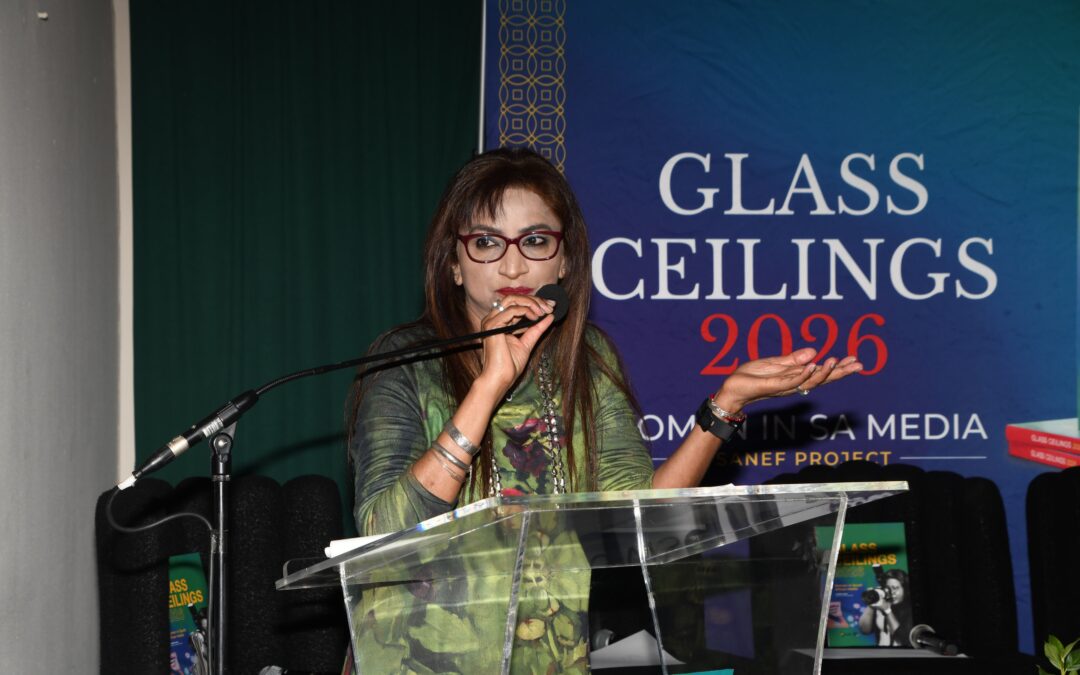
South Africa’s newsrooms no longer look like they did under apartheid. By 2018, women made up 49% of staff across media houses, with big players such as Media24 (57%), Tiso Blackstar (54%), and the SABC (50%) reporting female-dominated workforces. The transformation by race has also been significant: black journalists now form the majority in most newsrooms.
Recognising Linda Sowden: Half-Day Hours, Full-Time Impact
At frayintermedia, some of our most powerful work happens quietly behind the scenes, driven by dedicated individuals whose commitment makes the entire machine run smoothly. One of those people is Linda Sowden, our go-to expert in administration and tender applications, who has been part of the frayintermedia family for nearly five years.
Equipping Communicators for a Changing Media Landscape
When health communicators get it wrong, the consequences can ripple across the entire continent and the world. According to Business Day, misinformation and disinformation are major public health challenges in Africa. This becomes dangerous during health emergencies, when people need clear, accurate, and trusted information the most. With the media landscape constantly changing, health communicators need to stay informed and up to date so they can share accurate information that protects lives and builds trust.
Spotlight on Rebaona: CNN Academy Fellow for Voices From The South
We are proud to announce that Rebaona Modutwane, our Content Producer, has been selected as a fellow for CNN Academy’s “Voices From The South: Storytelling for Impact” programme. This is a remarkable achievement, as Rebaona was chosen from 10,800 applicants across 129 countries.
Live, Loud, and Organised: Social Media Support for SIDSSA25
Frayintermedia recently had the opportunity to provide full-spectrum social media support to Infrastructure South Africa (ISA) during one of their most ambitious events to date — the Sustainable Infrastructure Development Symposium of South Africa 2025 (SIDSSA25).
The rise of citizen journalists: A new era of news reporting
In today’s world, where smartphones can outperform the equipment once used in newsrooms, journalism is no longer restricted to individuals with official press licences or professional credentials.
How to Apply for Grants & Funding Webinar
In a Shrinking Funding Landscape, Journalists Seek Grant-Writing Strategies With journalism funding in sharp decline and competition for grants growing fiercer, more than 100 journalists from across Africa joined a webinar on March 26, 2025, to...
Capturing truth: The role of authentic storytelling in media
Authentic storytelling is about telling stories that resonate emotionally with an audience, many people are drawn to authentic heartfelt stories, as our brain often undergoes a process called "narrative transportation." This occurs when a story is...
Best practices for applying for journalism grants and funding
Securing funding for journalism projects can be challenging due to high competition and limited resources. However, with preparation and a strategic approach, journalists can improve their chances of receiving grants. Funders look for...
Keeping it fair: How journalists can stay objective
Throughout history, people have struggled to understand the nature of truth and how we acquire knowledge. Objectivity is important for trustworthy journalism. In an era of strong opinions and fast news, staying fair is a key part of building...
Address
frayintermedia,
Technology House,
Greenacres Office Park,
Victory Park,
Johannesburg,
2195
Contact us
info@frayintermedia.co.za
Unsubscribe
View our privacy policy