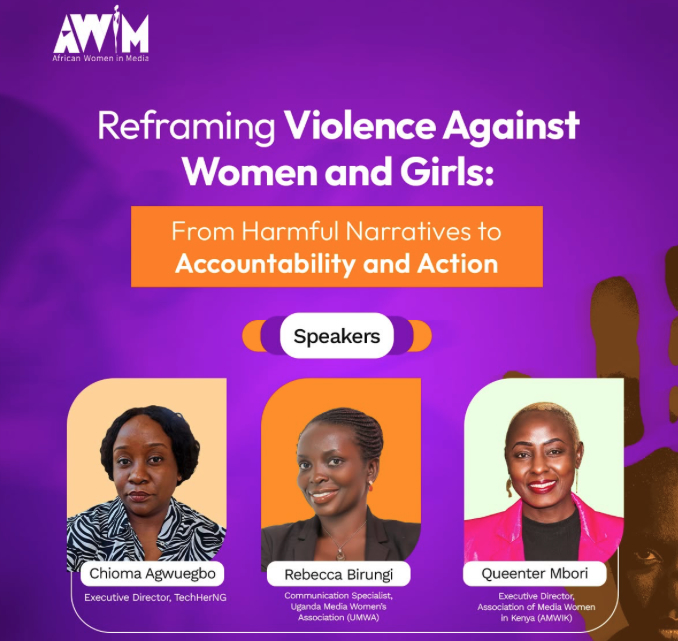
Rethinking harm caused by coverage of violence against women and girls
Speakers at an African Women in Media webinar urged journalists to rethink editorial, images and language choices when reporting violence on women and girls.

Speakers at an African Women in Media webinar urged journalists to rethink editorial, images and language choices when reporting violence on women and girls.

Social media has become a second battleground during the 2026 FIFA World Cup, where millions of fans celebrate victories, debate controversial decisions, and share their opinions in real time. Platforms such as X (formerly Twitter), TikTok, Instagram, YouTube, and Facebook have transformed the tournament into a global digital conversation. Fans no longer simply watch matches; they actively participate by posting reactions, creating memes, sharing highlights, and discussing every major moment as it happens. This has made social media an essential part of the modern World Cup experience.

Algorithms play a major role in shaping public conversations online. Social media platforms such as TikTok, Facebook, Instagram, X, and YouTube deploy algorithms to decide what content users see on their feeds. These systems are designed to study user behaviour, including what people like, comment on, watch, and share. Based on this information, the platforms continue showing users similar content to keep them engaged for longer periods. As a result, algorithms influence which stories, opinions, and trends become popular in public discussions.
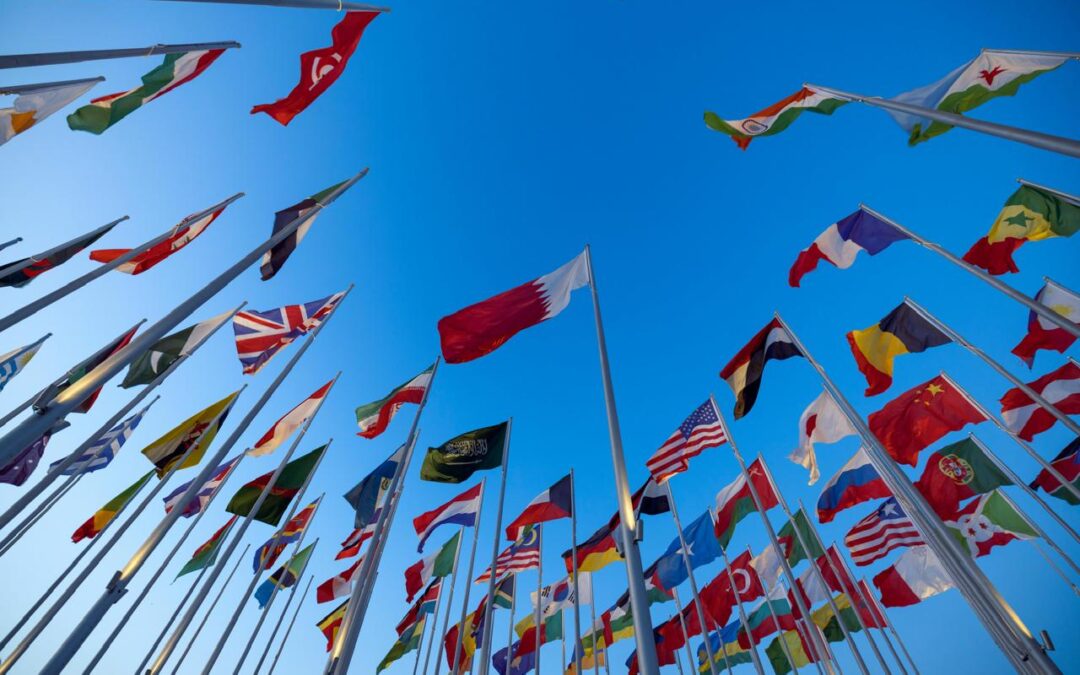
Every year on 25 May, countries across the African continent and around the world mark Africa Day, with many extending the celebration into Africa Week.
With that in mind, it feels like the right time to pause and think about something powerful: the stories we tell about Africa, and who gets to tell them. Stories shape the way we see the world. They shape how we understand people, places, cultures, and possibilities. They influence how others see us, but also how we see ourselves. That’s why African stories matter so much, especially in global conversations.
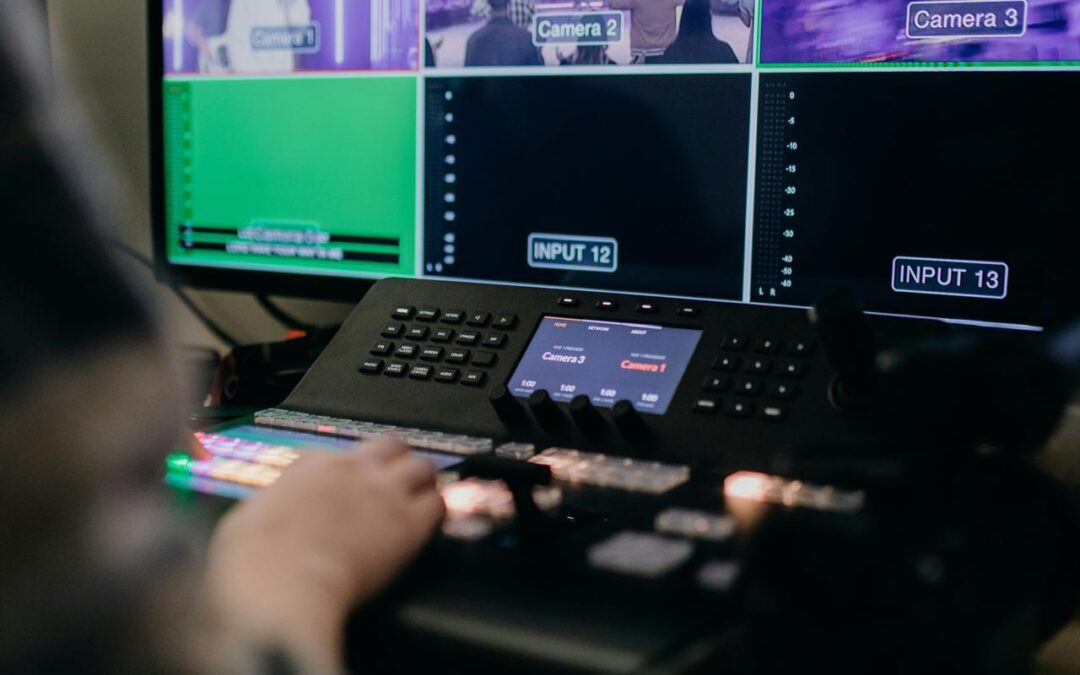
In South Africa, live streaming and live broadcasting have become powerful tools in the fight for social justice. They allow people to share events as they unfold, raise public awareness in real time, and place immediate pressure on leaders and institutions to respond. In a digital age where information travels instantly, one question becomes increasingly important: how quickly can a single message now reach thousands, even millions, of people?