by Editorial Staff | Mon, Jun, 2026 | News and Insights
Social media has become a second battleground during the 2026 FIFA World Cup, where millions of fans celebrate victories, debate controversial decisions, and share their opinions in real time. Platforms such as X (formerly Twitter), TikTok, Instagram, YouTube, and Facebook have transformed the tournament into a global digital conversation. Fans no longer simply watch matches; they actively participate by posting reactions, creating memes, sharing highlights, and discussing every major moment as it happens. This has made social media an essential part of the modern World Cup experience.

by Editorial Staff | Fri, Jun, 2026 | News and Insights
When we talk about workplace pressure, it is easy to think of it as just a personal problem. But today, the media, like TV news, TikTok, and LinkedIn, play a significant role in how pressure is perceived. Every day, millions of people wake up, put on a brave face, and go to work. On social media, people love to show off how busy they are, posting pictures of their late-night coffee cups or talk about working on the weekend. This creates a bad habit where being exhausted is treated like a prize.
by Editorial Staff | Sun, May, 2026 | News and Insights
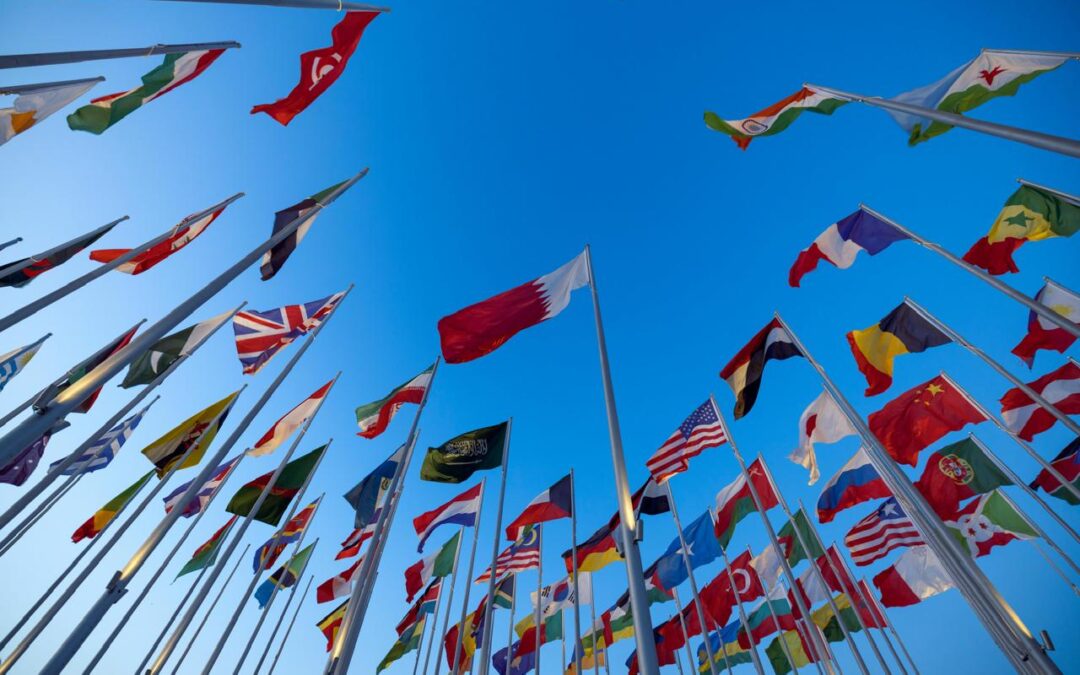
Every year on 25 May, countries across the African continent and around the world mark Africa Day, with many extending the celebration into Africa Week.
With that in mind, it feels like the right time to pause and think about something powerful: the stories we tell about Africa, and who gets to tell them. Stories shape the way we see the world. They shape how we understand people, places, cultures, and possibilities. They influence how others see us, but also how we see ourselves. That’s why African stories matter so much, especially in global conversations.
by Editorial Staff | Fri, May, 2026 | News and Insights
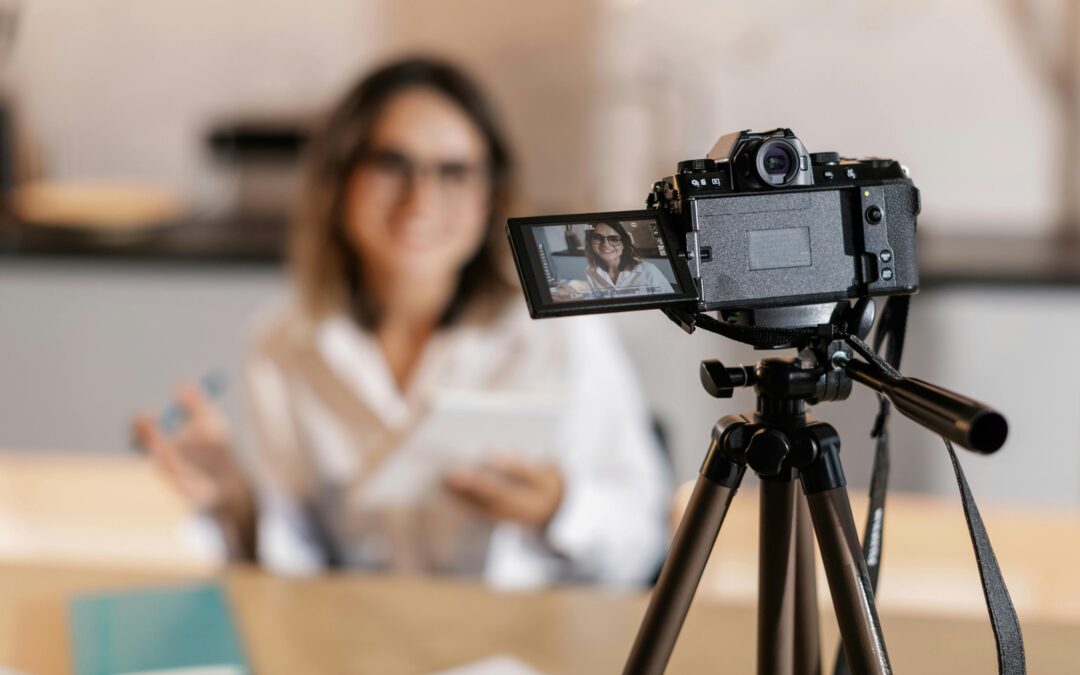
The return of Top Billing has sparked a heated national conversation after the show introduced online auditions through social media videos. While some South Africans see the process as a modern and accessible way to discover talent, others argue it exposes contestants to public humiliation and online criticism. The debate has raised larger questions about digital culture, cyberbullying, ethics and whether social media popularity is beginning to outweigh genuine talent in the entertainment industry.
by Editorial Staff | Fri, Apr, 2026 | News and Insights
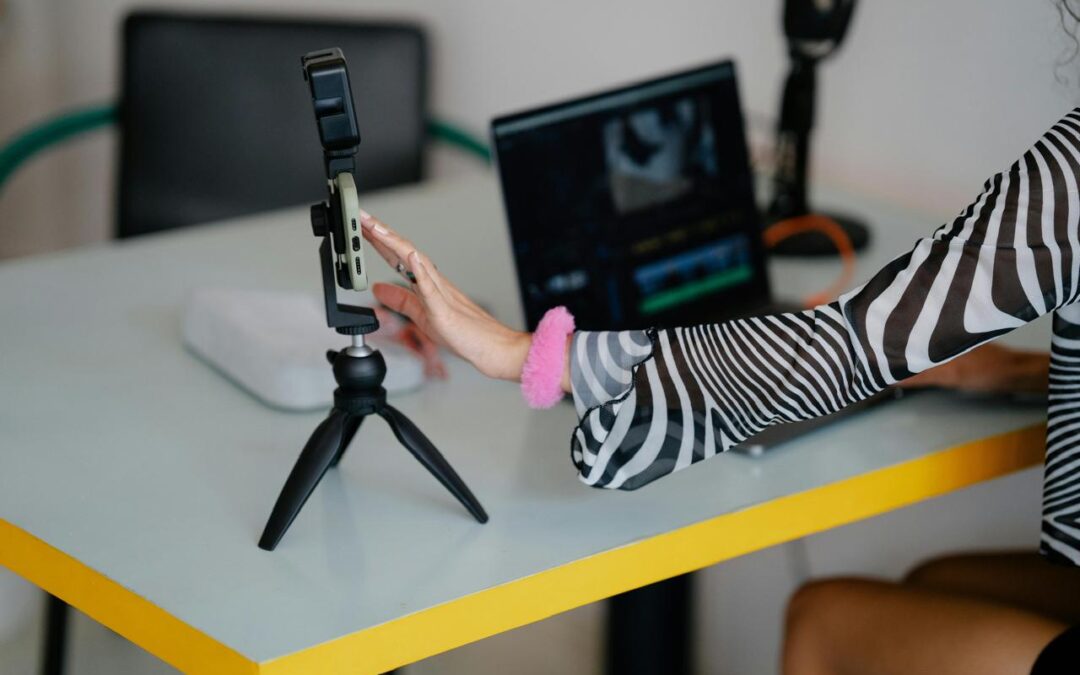
The media industry in South Africa is experiencing a major shift as more people move away from traditional television, radio, and print media and spend increasing amounts of time on digital platforms. This change has given rise to the creator economy, where individuals build audiences online, produce their own content, and earn income without relying on traditional media organisations.