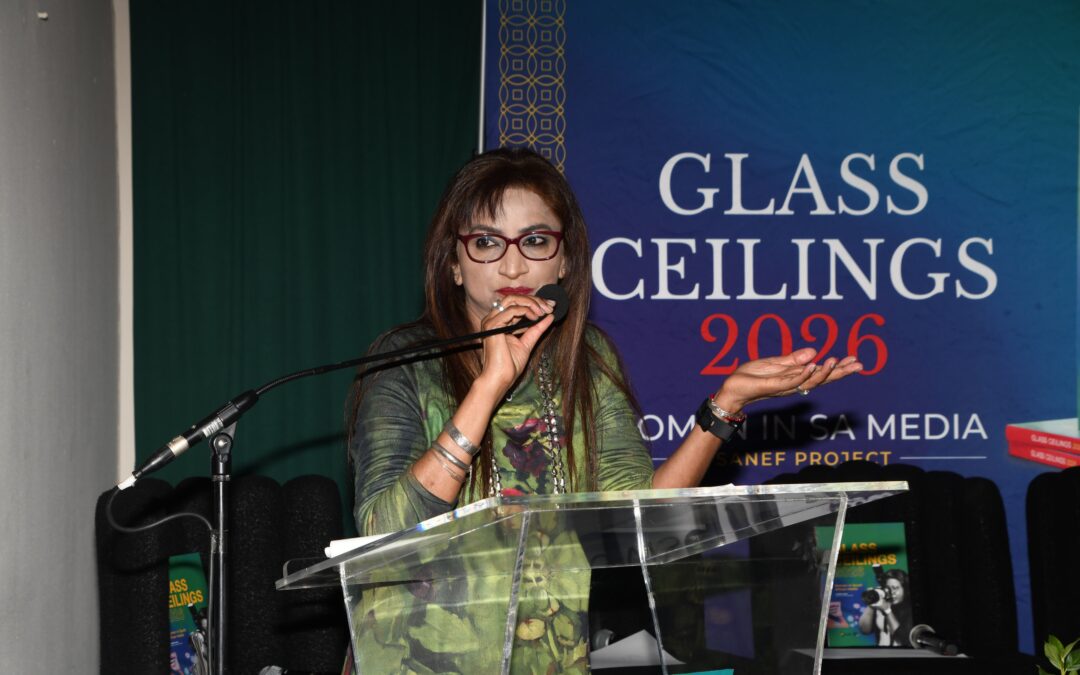
Glass ceiling has morphed into a cyber ceiling
Online misogyny has become one of the biggest barriers facing South African women in journalism, according to SANEF’s latest report
Online misogyny has become one of the biggest barriers facing South African women in journalism, according to SANEF’s latest report
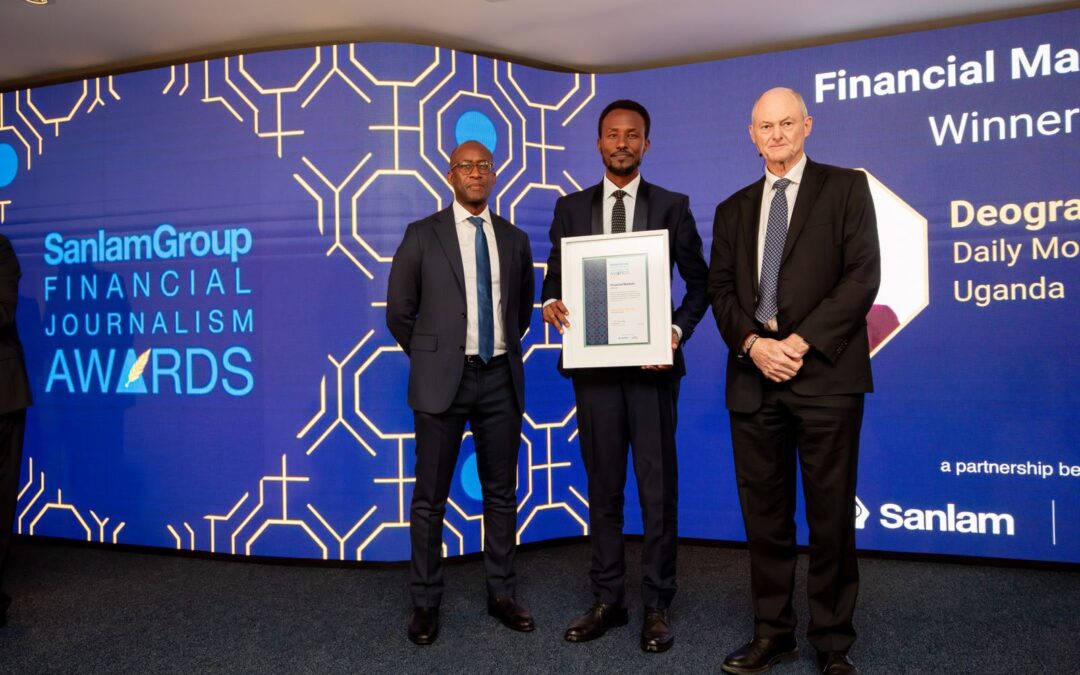
Last year’s newcomer of the year, Uganda’s Deogratious Wamala, won the overall Sanlam Financial Journalist of the Year 2025 award at a gala dinner in Johannesburg, South Africa, as the event marked its 51st anniversary this July.
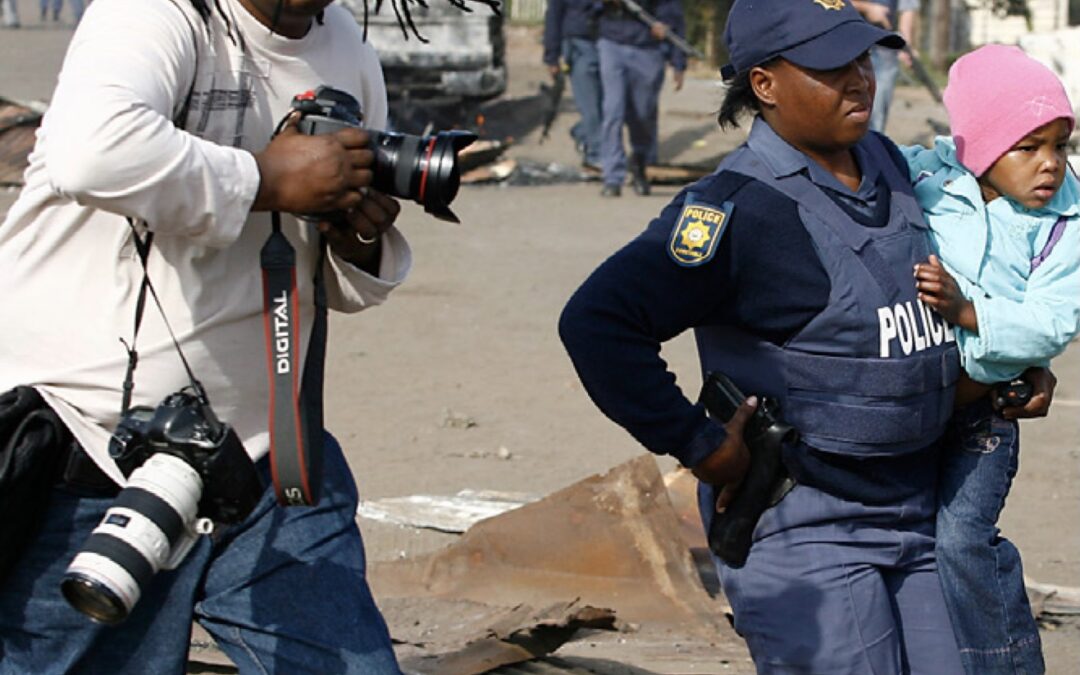
A comprehensive recent report, Weaponising the Law: Threats to Media Freedom in South Africa, paints a sobering picture of our current landscape: 50 percent of surveyed journalists in South Africa have faced legal threats directly linked to their reporting.
The global economy in 2026 is defined by a striking paradox where the artificial intelligence revolution has driven unprecedented capital expenditure, lifted technological manufacturing and fueled stock market highs. On the other hand, geopolitical conflict in the Middle East continues to strain energy supplies, disrupt global trade routes, and push living costs higher for millions.

South Africa’s newsrooms no longer look like they did under apartheid. By 2018, women made up 49% of staff across media houses, with big players such as Media24 (57%), Tiso Blackstar (54%), and the SABC (50%) reporting female-dominated workforces. The transformation by race has also been significant: black journalists now form the majority in most newsrooms.