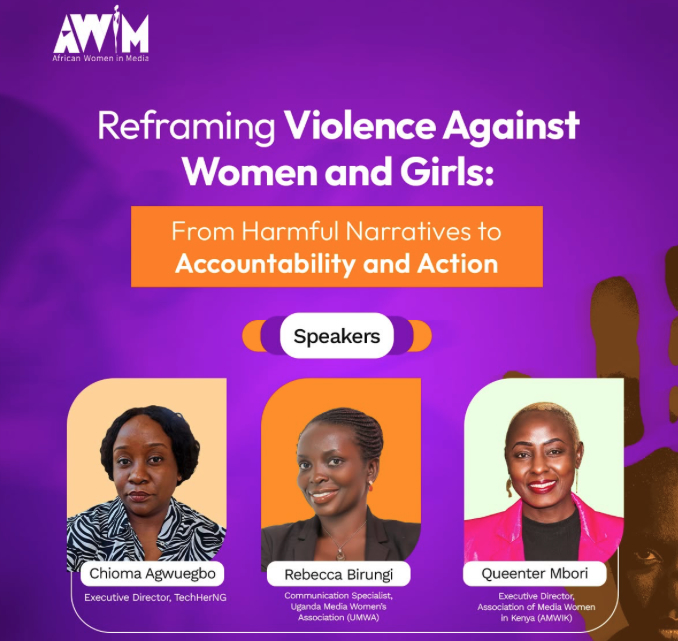
Rethinking harm caused by coverage of violence against women and girls
Speakers at an African Women in Media webinar urged journalists to rethink editorial, images and language choices when reporting violence on women and girls.

Speakers at an African Women in Media webinar urged journalists to rethink editorial, images and language choices when reporting violence on women and girls.
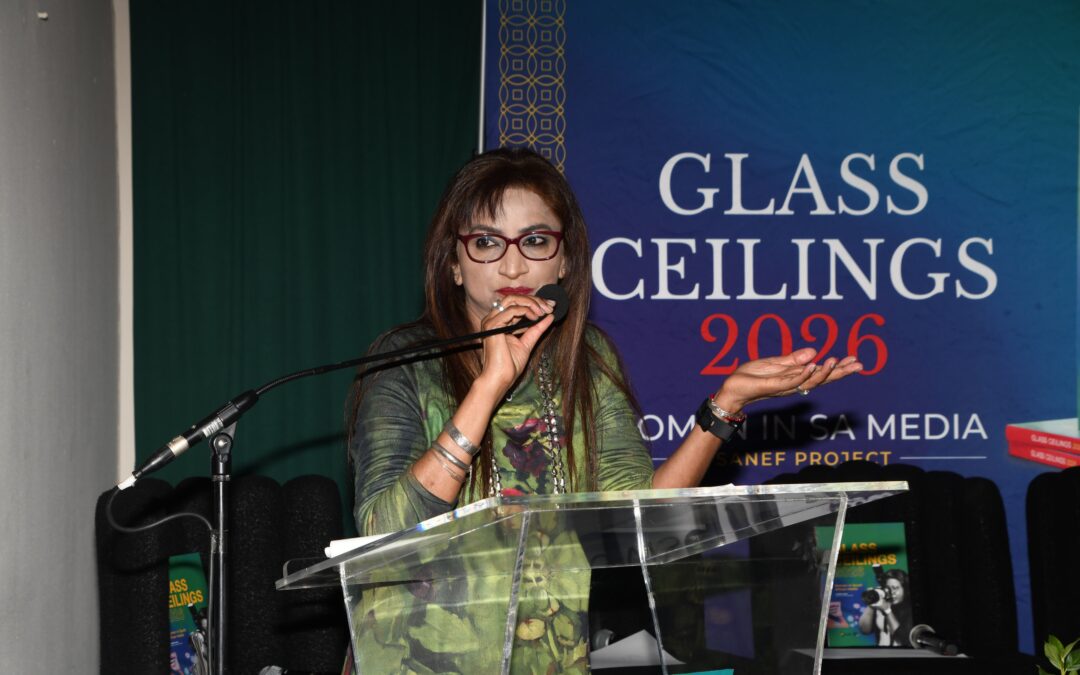
Online misogyny has become one of the biggest barriers facing South African women in journalism, according to SANEF’s latest report
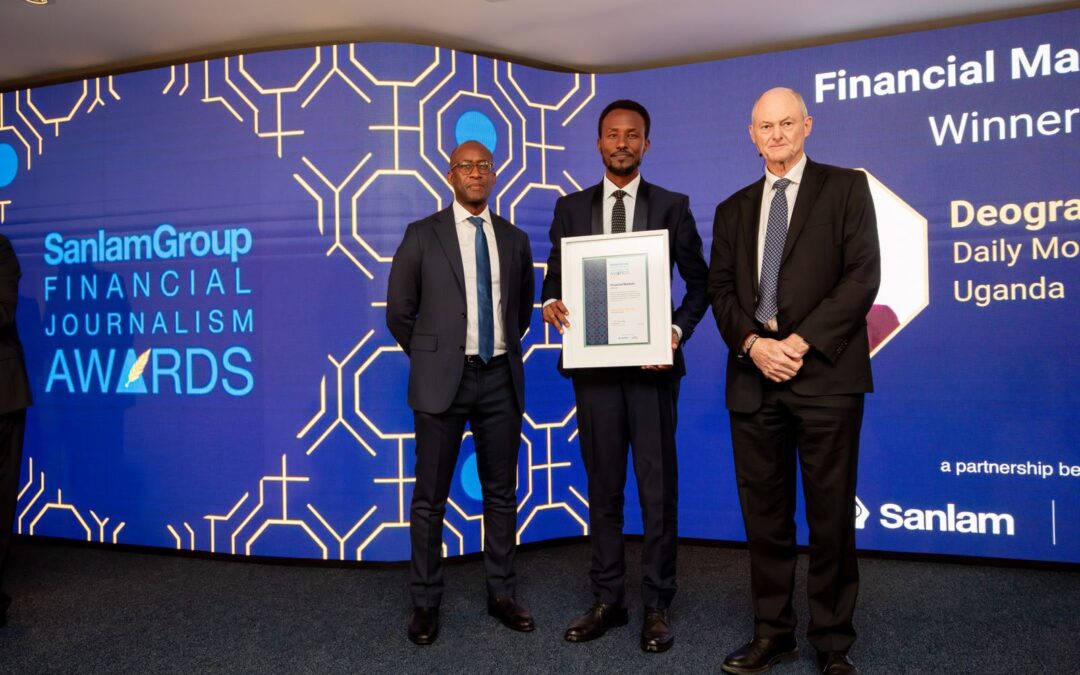
Last year’s newcomer of the year, Uganda’s Deogratious Wamala, won the overall Sanlam Financial Journalist of the Year 2025 award at a gala dinner in Johannesburg, South Africa, as the event marked its 51st anniversary this July.
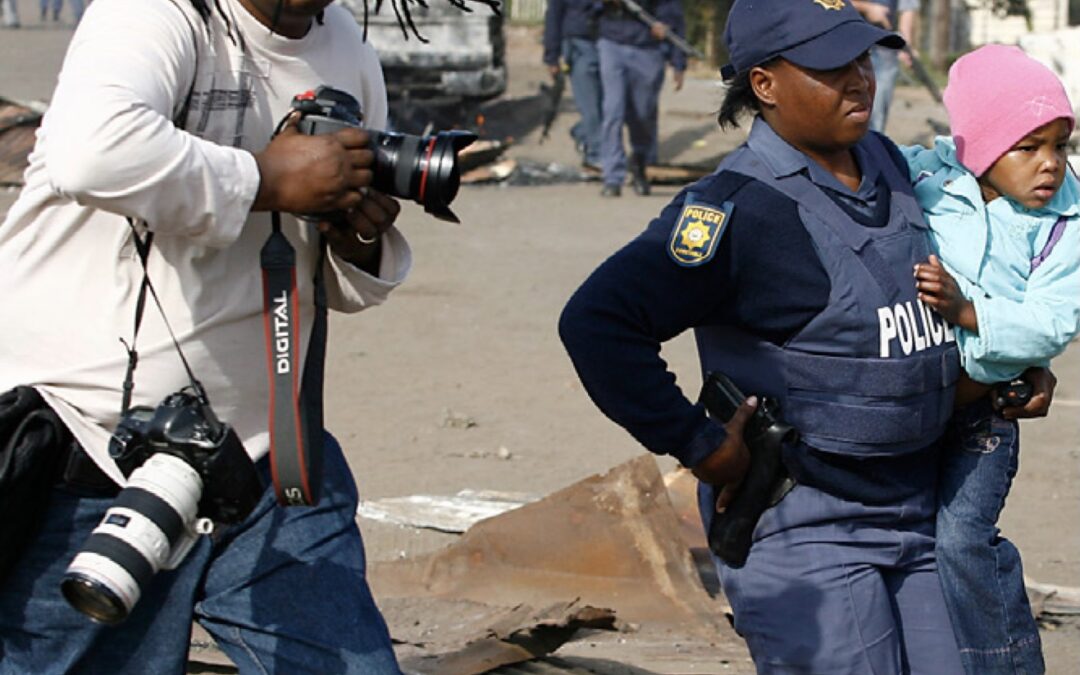
A comprehensive recent report, Weaponising the Law: Threats to Media Freedom in South Africa, paints a sobering picture of our current landscape: 50 percent of surveyed journalists in South Africa have faced legal threats directly linked to their reporting.
Social media has become a second battleground during the 2026 FIFA World Cup, where millions of fans celebrate victories, debate controversial decisions, and share their opinions in real time. Platforms such as X (formerly Twitter), TikTok, Instagram, YouTube, and Facebook have transformed the tournament into a global digital conversation. Fans no longer simply watch matches; they actively participate by posting reactions, creating memes, sharing highlights, and discussing every major moment as it happens. This has made social media an essential part of the modern World Cup experience.