by Someleze Ndede | Mon, Oct, 2026 | News and Insights
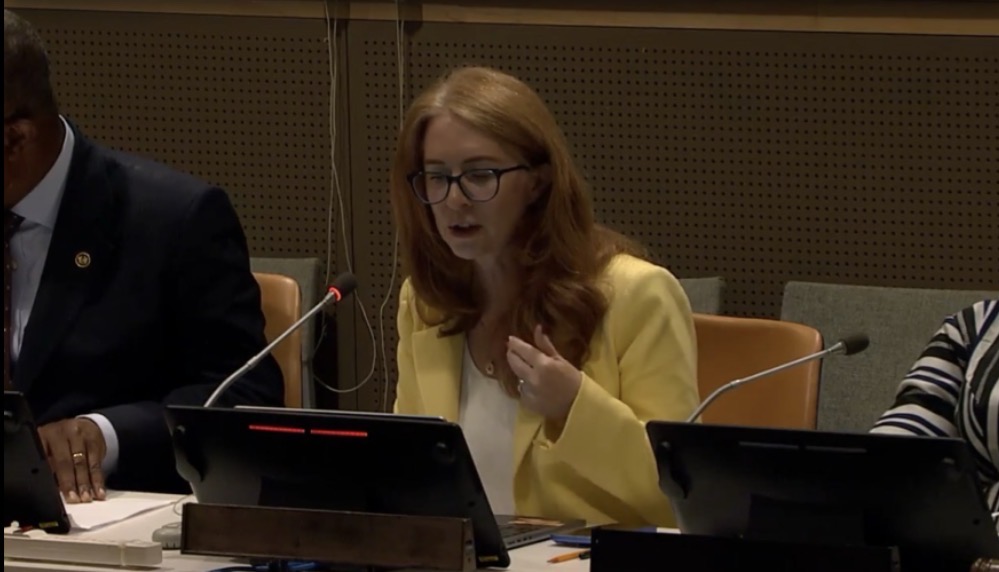
A community radio station in Sierra Leone was struggling to stay on air when a politician bought it a transmitter and generator. According to Makmid Kamara of the International Fund for Public Interest Media, the station would then broadcast when the politician was nearby, giving him long stretches at the microphone without independent questioning.

by Someleze Ndede | Fri, Oct, 2026 | News and Insights
South African journalist and editor Simon Allison has been appointed Editor-in-Chief of Coda Story, bringing his experience building the pan-African newspaper The Continent into a global newsroom experimenting with new ways of reporting and reaching audiences.

by Someleze Ndede | Fri, Sep, 2026 | News and Insights
Africa’s media industry is entering a period of rapid change as advertising, streaming, digital platforms and artificial intelligence reshape how audiences consume news and how media organisations generate revenue.
A recently published report projects that the global entertainment and media industry will reach US$4.2 trillion by 2030, driven by advertising, streaming, digital platforms and emerging technologies.

by Editorial Staff | Thu, Sep, 2026 | Change voices, News and Insights
Anetta Barnes-Mangxaba never planned a career in media. But an unexpected path through teaching, sales and project management gave her the skills to build Dizindaba Media and a publishing career that earned her the overall Entrepreneur of the Year title at the Phenomenal Women of 2026 Awards.
by Someleze Ndede | Fri, Aug, 2026 | News and Insights
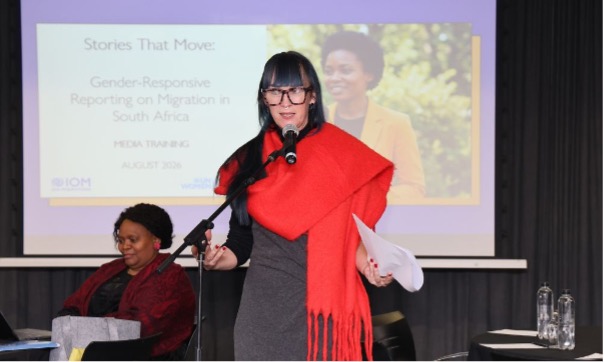
Women make up nearly half of the 281 million international migrants and 42% of migrant workers globally. .Yet the experiences of migrant women remain largely under-represented in media coverage, with stories often shaped by misinformation, sensationalism, and incomplete narratives.