
Fraycollege of Communications conducts training and research
fraycollege provides short courses and qualifications in journalism, as well as communication training to all sectors and industries across the African continent and beyond. Over the past 14 years, we have refined our programmes to ensure our learners gain theoretical knowledge and practical skills in line with national, regional and international best practice.
Examples of training include:
Media Management
Breaking the glass ceiling and achieving media management excellence
More and more studies are finding that women-owned and run organisations have an edge when it comes to innovation, and that women’s organisational participation leads to better business decisions. This innovative driving force is needed now more than ever before, and the media industry is no exception. Yet, despite global strides towards organisational transformation, most newsrooms are still dominated by men, with women still under-represented in the ranks of editors, managers, board members and decision-makers. Join us and learn from the real-world experience of women who have shattered the glass ceiling to lead the industry, well able to rise to the challenges of the current media environment.

Introduction to Media Law
Master the basics of media law with veteran journalist Desmond Latham
Online content is subject to both national and international laws and conventions that producers need to understand and abide by. As a company, noncompliance can be costly in terms of time, money and reputation loss. As a media practitioner, it is essential that you have knowledge of the laws that dictate your conduct and a sound understanding of how to practically implement this knowledge in your everyday news-gathering, content creation and distribution. Join us for this Introduction to Media Law and let seasoned journalist, Desmond Latham, help you navigate the legal landscape as it pertains to South Africa’s media.
8 weeks online eLearning / 2 day training facilitated online or in person
For more courses head to

Success Stories
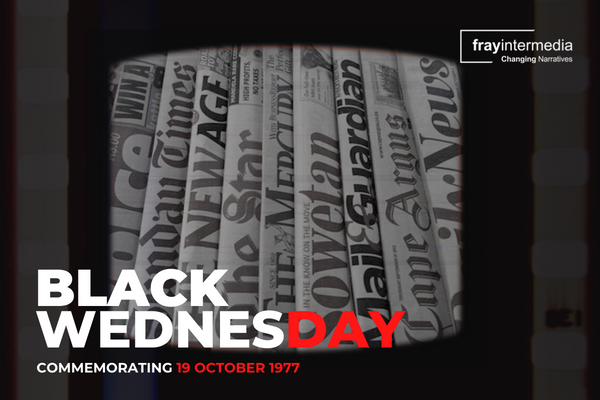
Black Wednesday 2022: Commemorating the 45th anniversary of safeguarding press freedom
As we commemorate the 45th anniversary of Black Wednesday, the threats to media freedom, independence and diversity today are different from 1977, but they are real
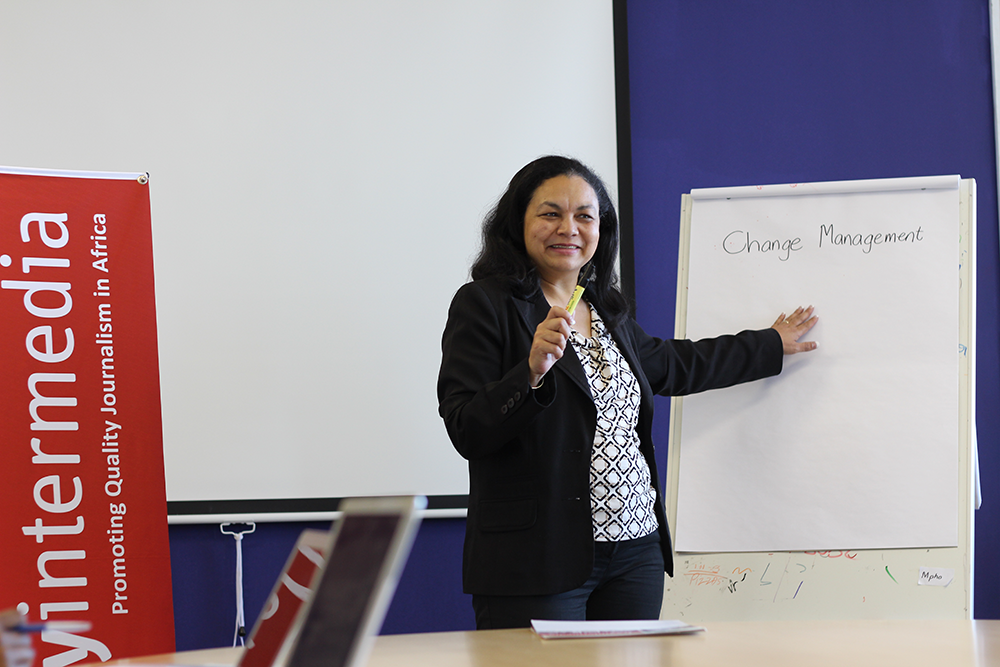
Gender equality lags in African newsroom
As the battle for gender equality in media continues, Africa’s news media lags behind in closing the gender equality gap in the news.
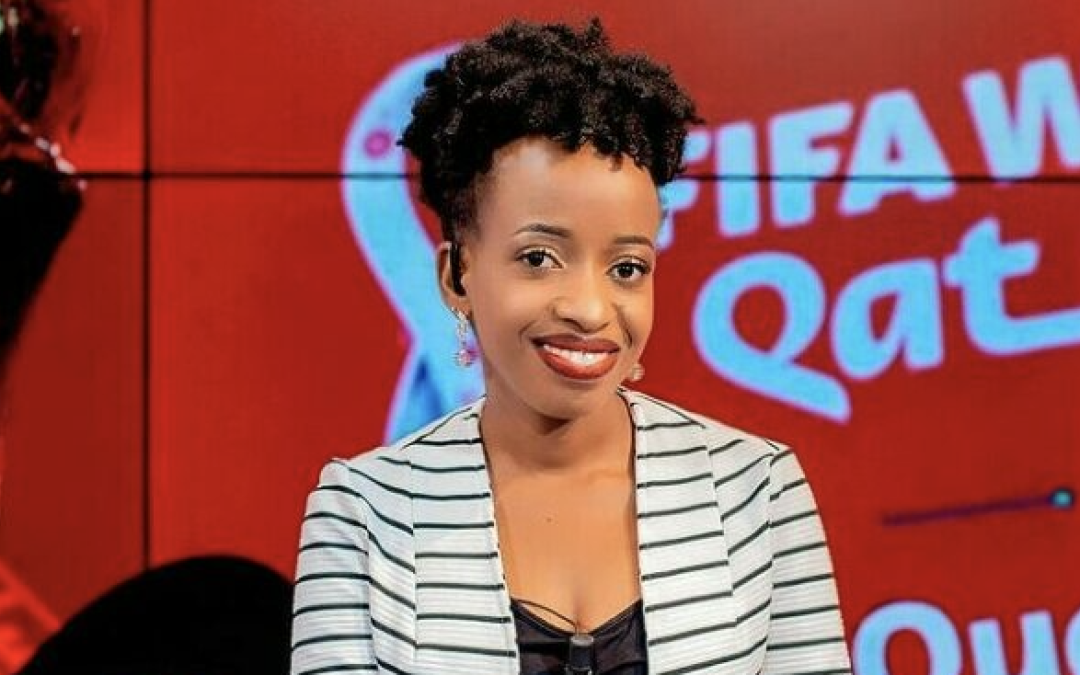
#FaveOfTheWeek: Ariane Uwamahoro
Each week, frayintermedia highlights a journalist doing good work on the continent and honours them as our #FaveOfTheWeek. Meet Rwandan sports journalist Ariane Uwamahoro, who is passionate about sports and the visibility of women’s sport.
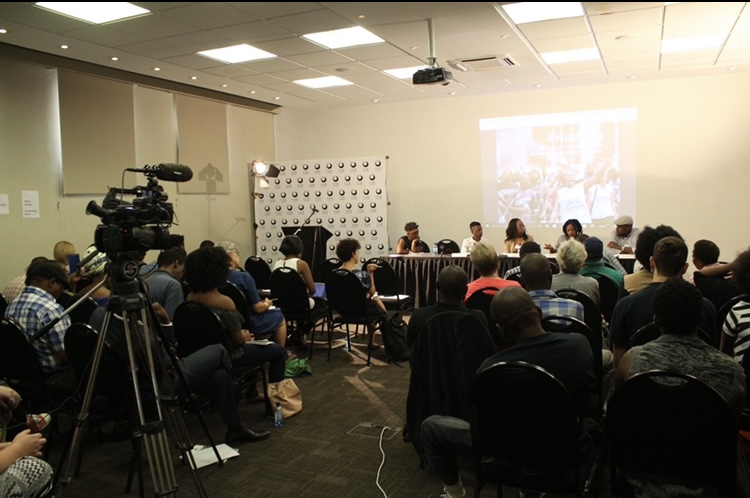
Children’s reporting must empower children’s voices
Recent Media Monitoring Africa analysis shows news coverage of children increased from 6% to 13% between 2016 and 2020. While this is a 116.6 % increase, when children are mentioned in the media, the coverage is often event- based or anecdotal.

The power of visual storytelling
Visual storytelling is a powerful tool that brings stories to life by combining imagery, emotion, and movement to create meaningful connections. Through digital media, people are able to explore new places, experience different cultures, and see the world through someone else’s lens. From personal journeys to travel stories like those shared by South African creator Popi Sibiya, visual storytelling shows how real experiences can inspire, connect, and shape the way we understand the world around us.
Black Wednesday 2022: Commemorating the 45th anniversary of safeguarding press freedom
As we commemorate the 45th anniversary of Black Wednesday, the threats to media freedom, independence and diversity today are different from 1977, but they are real
Gender equality lags in African newsroom
As the battle for gender equality in media continues, Africa’s news media lags behind in closing the gender equality gap in the news.
#FaveOfTheWeek: Ariane Uwamahoro
Each week, frayintermedia highlights a journalist doing good work on the continent and honours them as our #FaveOfTheWeek. Meet Rwandan sports journalist Ariane Uwamahoro, who is passionate about sports and the visibility of women’s sport.
Children’s reporting must empower children’s voices
Recent Media Monitoring Africa analysis shows news coverage of children increased from 6% to 13% between 2016 and 2020. While this is a 116.6 % increase, when children are mentioned in the media, the coverage is often event- based or anecdotal.

AI misuse deepens grief after fatal school crash
This week, a heavy cloud fell over South Africa as a normal school day ended in tragedy. Fourteen young lives were lost when a taxi and a truck collided, leaving families and communities shattered. As the nation mourned, grief was deepened by the spread of a fake AI-generated image falsely claiming to show the victims. Instead of bringing comfort, the misuse of technology caused further pain, reminding us that in moments of loss, truth, respect, and compassion must always come before clicks and attention.
Black Wednesday 2022: Commemorating the 45th anniversary of safeguarding press freedom
As we commemorate the 45th anniversary of Black Wednesday, the threats to media freedom, independence and diversity today are different from 1977, but they are real
Gender equality lags in African newsroom
As the battle for gender equality in media continues, Africa’s news media lags behind in closing the gender equality gap in the news.
#FaveOfTheWeek: Ariane Uwamahoro
Each week, frayintermedia highlights a journalist doing good work on the continent and honours them as our #FaveOfTheWeek. Meet Rwandan sports journalist Ariane Uwamahoro, who is passionate about sports and the visibility of women’s sport.
Children’s reporting must empower children’s voices
Recent Media Monitoring Africa analysis shows news coverage of children increased from 6% to 13% between 2016 and 2020. While this is a 116.6 % increase, when children are mentioned in the media, the coverage is often event- based or anecdotal.

16 DAYS OF ACTIVISM AGAINST GENDER-BASED VIOLENCE
The 16 Days of Activism against Gender-Based Violence highlights the urgent need to address violence and discrimination against women and girls worldwide, calling on journalists to create gender-sensitive newsrooms and report GBV with accuracy, dignity, and context. Despite alarming UN Women statistics,including that one in three women experiences GBV and that most deepfake content targets women, the media often treats cases as isolated incidents, reinforcing harmful stereotypes and ignoring systemic causes. Researchers and experts, including Elsje-Marie Jordaan and Professor Rachel Jewkes, emphasise that ethical reporting can help shift public attitudes, hold perpetrators accountable, and support survivors.
View our work
Address
frayintermedia,
Technology House,
Greenacres Office Park,
Victory Park,
Johannesburg,
2195
Contact us
info@frayintermedia.co.za
Unsubscribe
View our privacy policy