
by Rebaona Modutwane | Thu, Apr, 2026 | News and Insights
In South Africa, live streaming and live broadcasting have become powerful tools in the fight for social justice. They allow people to share events as they unfold, raise public awareness in real time, and place immediate pressure on leaders and institutions to respond. In a digital age where information travels instantly, one question becomes increasingly important: how quickly can a single message now reach thousands, even millions, of people?
by Rebaona Modutwane | Wed, Apr, 2026 | News and Insights
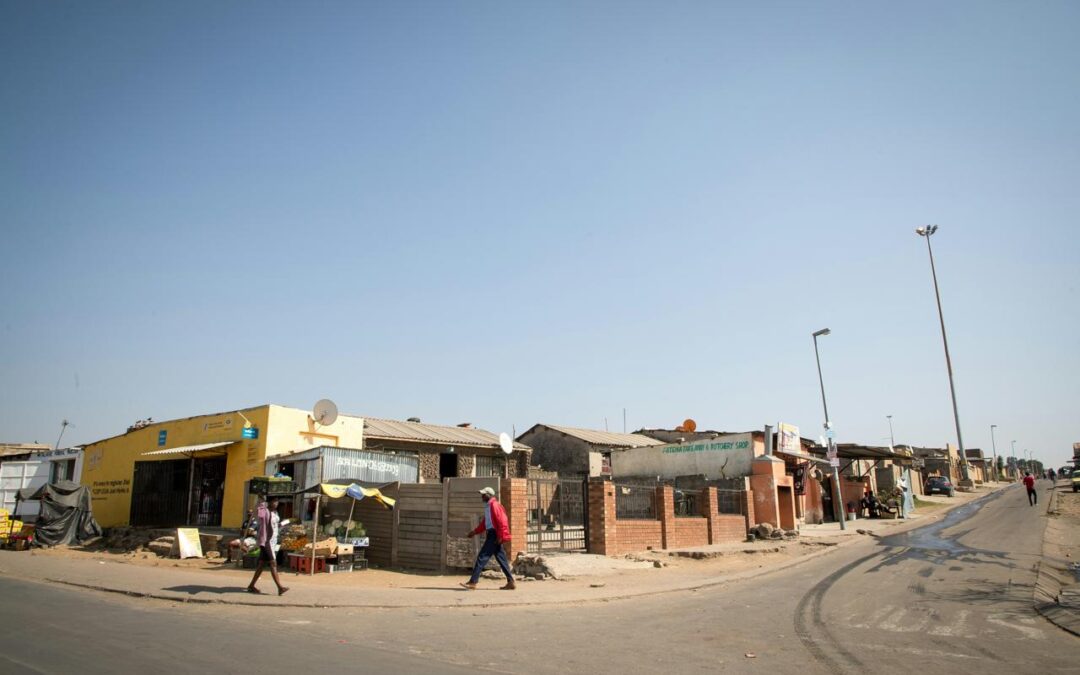
Township marketing has become one of the most important strategies for brands in South Africa today. Townships are not just places where people live; they are spaces where culture is created, shared, and constantly evolving. From music and fashion to language and everyday behaviour, townships influence what becomes popular across the country. Brands that fail to recognise this often struggle to connect with their audience, while those that understand it can build meaningful and lasting relationships.

by Rebaona Modutwane | Tue, Mar, 2026 | News and Insights
Short-form video has rapidly transformed how people create and consume content in South Africa, driven by platforms like TikTok, Instagram Reels, and YouTube Shorts. With millions of users accessing social media primarily through mobile devices, quick, engaging videos under 60 seconds have become the preferred format. With this shift, South African creators and brands have adapted by producing relatable, mobile-first, vertical content that resonates with local audiences. As a result, short-form video is not only reshaping storytelling but also creating new opportunities in the creative industry, from influencer marketing to educational “edutainment” content.

by Rebaona Modutwane | Thu, Mar, 2026 | News and Insights
South Africa ranks among the countries with the highest daily internet use in the world, reflecting how deeply digital technology has become part of everyday life. However, this growing connectivity also raises concerns about the impact of excessive online activity on young people. As children spend more time on social media platforms such as TikTok, Instagram and Snapchat, experts are warning about risks including cyberbullying, harmful content and declining mental wellbeing. With countries like Australia introducing a ban on social media for children under 16, the debate is now growing over whether South Africa should introduce similar measures or focus on stronger digital education and online safety protections.

by Rebaona Modutwane | Wed, Mar, 2026 | News and Insights
South African organisations are increasingly using podcasts to reach audiences, build trust, and shape public conversations. Because people can listen while commuting, exercising, or working, podcasts make it easier to connect with audiences regularly and share messages clearly. Frayintermedia approaches podcasting as the starting point of a broader content strategy rather than the final product. Each episode becomes a rich source of insight, narrative, and messaging that can be thoughtfully adapted into multiple formats designed to extend reach, reinforce key messages, and engage different audiences.