by Rebaona Modutwane | Wed, Apr, 2026 | News and Insights
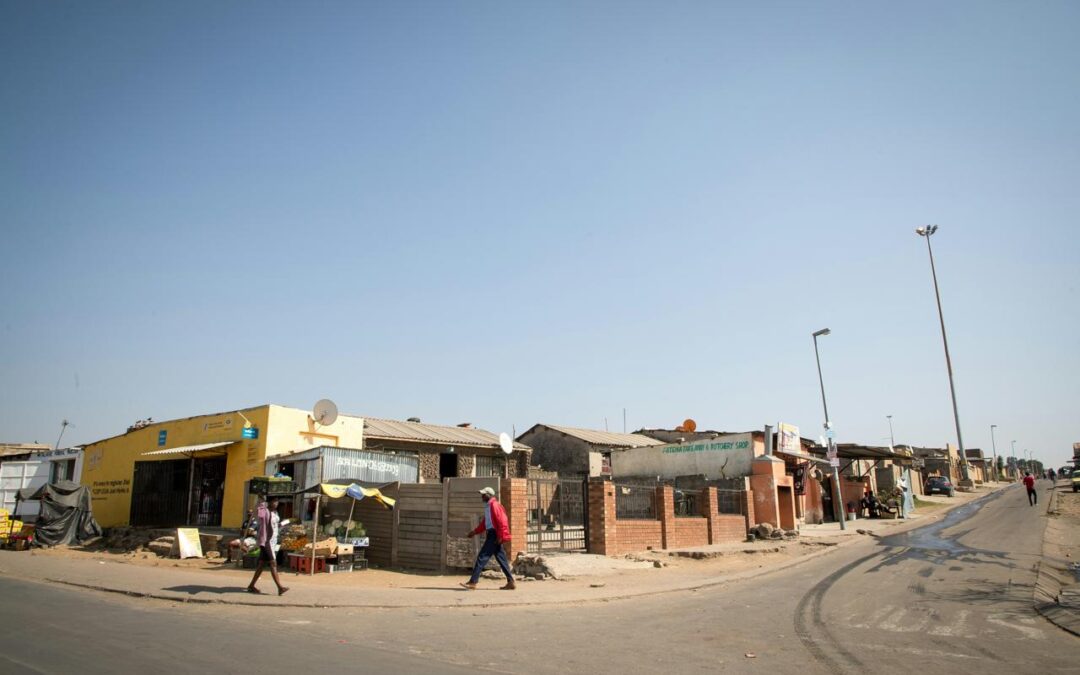
Township marketing has become one of the most important strategies for brands in South Africa today. Townships are not just places where people live; they are spaces where culture is created, shared, and constantly evolving. From music and fashion to language and everyday behaviour, townships influence what becomes popular across the country. Brands that fail to recognise this often struggle to connect with their audience, while those that understand it can build meaningful and lasting relationships.

by Rebaona Modutwane | Fri, Mar, 2026 | News and Insights
AI-generated graphics are becoming more common on social media and in marketing. Many people use these tools because they are fast and easy. However, not everyone supports this trend. In South Africa, many creatives and audiences are raising concerns about AI graphics, especially when it comes to authenticity and fairness.
One of the biggest issues is that AI graphics often do not feel authentic. In South Africa, storytelling is deeply connected to culture, identity, and lived experience. When an image is created by AI, it does not come from real emotions or personal stories.

by Rebaona Modutwane | Tue, Mar, 2026 | News and Insights
Short-form video has rapidly transformed how people create and consume content in South Africa, driven by platforms like TikTok, Instagram Reels, and YouTube Shorts. With millions of users accessing social media primarily through mobile devices, quick, engaging videos under 60 seconds have become the preferred format. With this shift, South African creators and brands have adapted by producing relatable, mobile-first, vertical content that resonates with local audiences. As a result, short-form video is not only reshaping storytelling but also creating new opportunities in the creative industry, from influencer marketing to educational “edutainment” content.

by Rebaona Modutwane | Thu, Mar, 2026 | News and Insights
In today’s digital world, organisations need more than text to capture attention. Multimedia storytelling, using a mix of video, images, audio, and graphics, helps make stories more engaging, easier to understand, and more effective at reaching wider audiences, especially on digital platforms.
by Rebaona Modutwane | Wed, Mar, 2026 | News and Insights
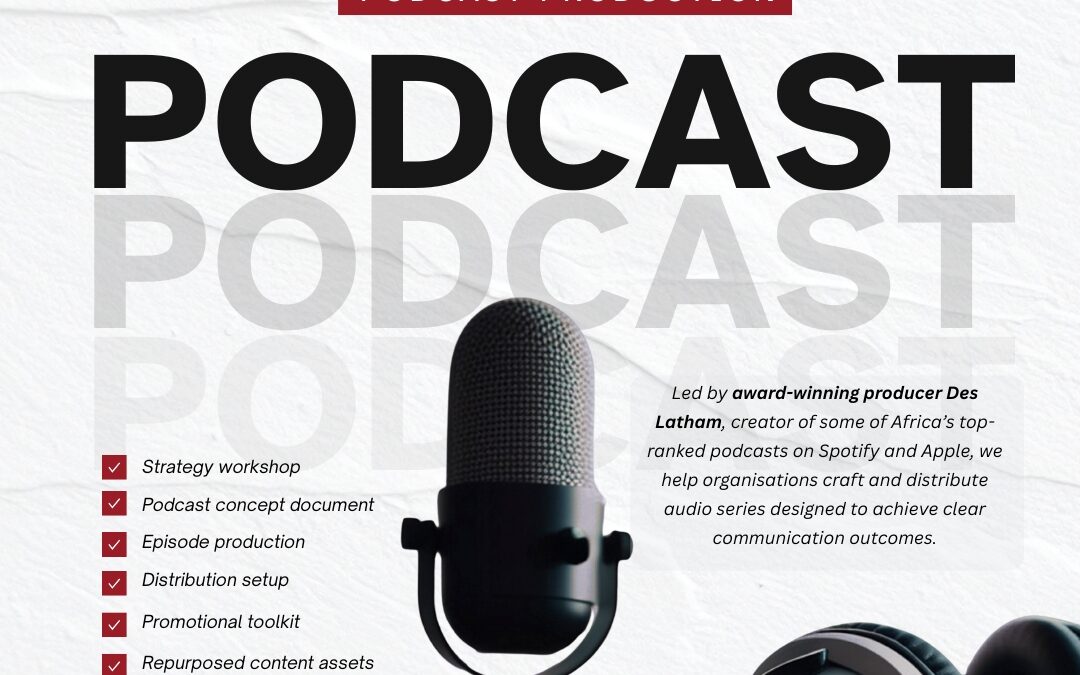
South African organisations are increasingly using podcasts to reach audiences, build trust, and shape public conversations. Because people can listen while commuting, exercising, or working, podcasts make it easier to connect with audiences regularly and share messages clearly. Frayintermedia approaches podcasting as the starting point of a broader content strategy rather than the final product. Each episode becomes a rich source of insight, narrative, and messaging that can be thoughtfully adapted into multiple formats designed to extend reach, reinforce key messages, and engage different audiences.