The South African National Editors Forum (SANEF) wants more indigenous languages to feature in South Africa’s media, moving beyond entertainment and heritage celebrations to become part of journalism, public debate and economic life.
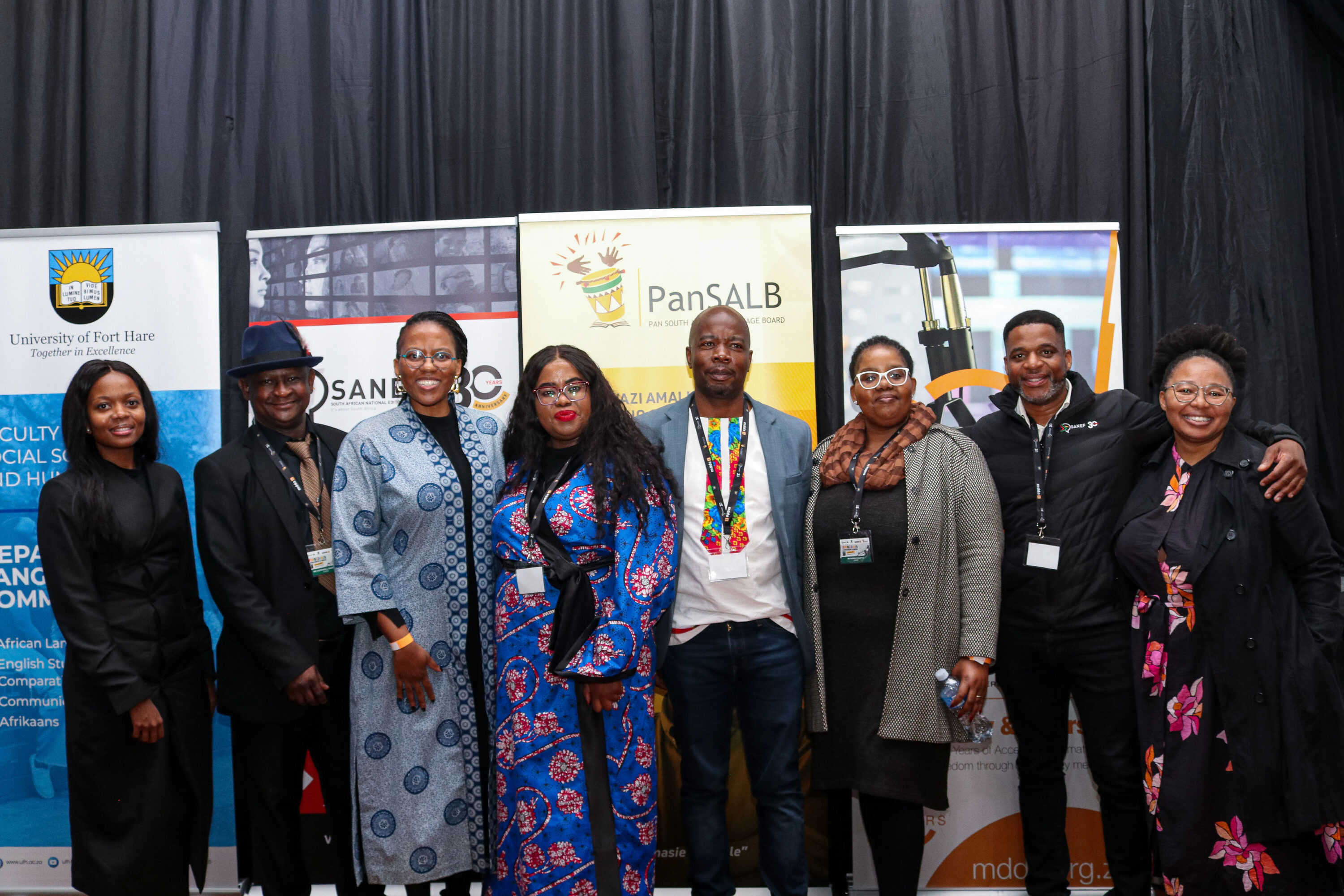
The call came at the fourth Indigenous Languages and Media Seminar, hosted by SANEF in partnership with the Pan South African Languages Board (PanSALB), the University of Fort Hare and the Media Development and Diversity Agency (MDDA) at the University of Fort Hare’s kuGompo Campus in the Eastern Cape on Thursday, 13 August 2026.
Held under the theme “Rooted in Language: Indigenous Media as a Platform for Belonging and Cultural Continuity”, the seminar brought together media practitioners, language experts and academics to examine the role and sustainability of indigenous-language media.
PanSALB Chief Executive Officer Dr Keaobaka Seshoka raised questions about whether South Africa’s constitutional recognition of linguistic diversity has translated into citizens’ lived experiences.
“The media should not be a spectator in the language question. But the media should be an architect of linguistic equality,” Seshoka said, urging media organisations to use indigenous languages to engage with issues of public interest:
“Let us interrogate power in our languages. Let us interrogate political speeches in our languages. Let’s analyse even the elections using our languages. Let us investigate corruption even using our languages”, she added.
Seshoka also challenged the practice of developing policies, research and government statements in English before translating them into indigenous languages.
“Translation is not multilingualism. Our indigenous languages must stop entering the room after the decisions are made. They must be part of the decisions,” she said.
SANEF deputy chairperson Slindile Khanyile highlighted the economic challenges facing indigenous-language media, arguing that language preservation should also be viewed as a commercial opportunity.
“Although the majority of the population in this country speaks indigenous languages, isn’t it ironic that we need a seminar to discuss the importance of indigenous languages, especially as it relates to the media industry?” Khanyile said.
She pointed out that, excluding the SABC, there are only two indigenous-language publications among the country’s legacy brands: Ilanga and Isolezwe.
Khanyile insisted that preservation alone is not enough to secure the future of indigenous languages.
“If your only argument is preservation. Yes. If you offer nothing except lip service. And absolutely, if you still belong to the group of people that believe subjects such as economics, environment, and science cannot be taught in the vernacular.”
Fraymedia Foundation CEO Paula Fray connected the challenges facing indigenous-language publishers to the broader financial pressures affecting South African journalism
Her remarks focused on the Competition Commission’s Media and Digital Platforms Market Inquiry, which examined the role of search and social media platforms in digital advertising and news distribution, as well as the impact of artificial intelligence and advertising technology on news publishers.
Fray described the inquiry as an investigation into “the economic and democratic health of our media ecosystem”, while also highlighting its broader implications for identity, access and the future of public discourse.
The seminar also examined the role of technology in the future of African languages, with Seshoka calling for collaboration to ensure technology can understand African languages.
She urged media houses to invest in “indigenous languages editors, journalists, language practitioners, terminologies, and digital creators in our languages.”
“We cannot afford to just put our languages as entertainment and also only during heritage month,” said Seshoka.


